Skip to content


A tailor’s bunion, also known as a bunionette, may seem like a small foot problem, but it can be a major hassle in terms of having to wear shoes or participate in everyday activities. Bumps located near the little toe tend to progress with time if left unaddressed. The bright side? Knowing the bunionette stages means you can do the correct thing at the correct time and prevent long-term suffering.
At Vale Foot and Ankle, we see patients at all stages of their bunionette development, from the beginning symptoms of redness and rubbing to the more severe deformation. Whether you want to prevent surgery or want long-term correction, we can assist you.

What Is a Tailor’s Bunion (Bunionette)?
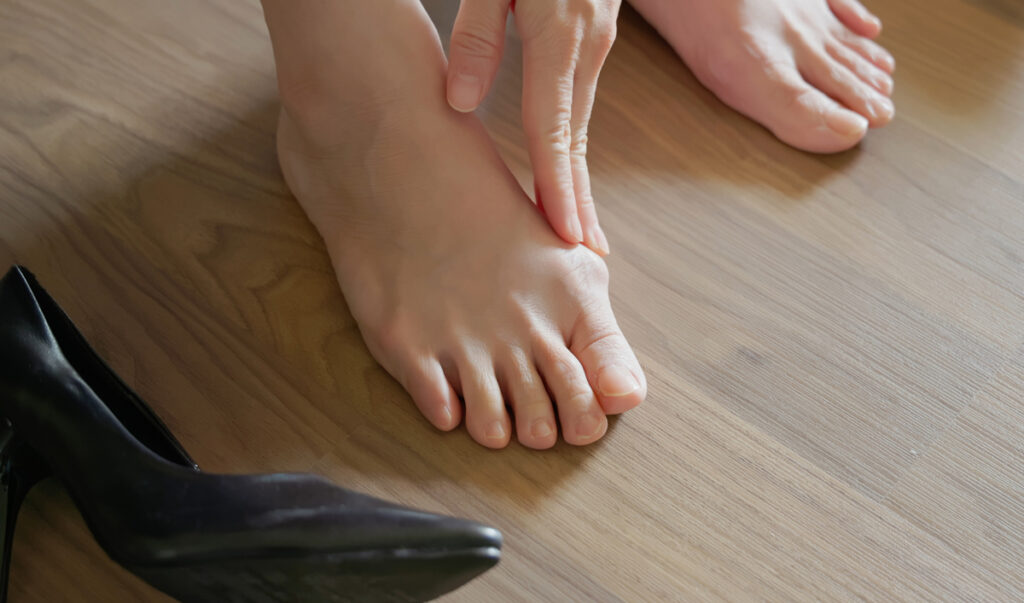
Tailor’s bunion is the knuckle that protrudes on the lateral side of the foot, at the lateral base of the little toe. It results when the fifth metatarsal bone moves outward and the pinky toe develops the habit of pointing in toward the toe adjacent to it, the fourth toe. This leads to pressure and friction against the shoes over time.
The term “tailor’s bunion” refers to the position in which the tailor used to sit with his feet crossed on the ground, with pressure on the lateral aspect of the foot. Modern cases are much more commonly caused by tight shoes, the shape of the foot, or gait. Unlike ordinary bunions (which occur on the big toe), tailor’s bunions occur on the lateral aspect of the foot and can be equally symptomatic.
Common Causes of Bunionettes
Tailor’s bunions usually develop because of a mix of structural foot features, shoe choices, and how your feet handle pressure. Common causes include:
- Inherited foot shape (like flat feet or a prominent fifth metatarsal bone)
- Narrow or pointed shoes that squeeze the toes together
- High heels, which put pressure on the front of the foot
- Foot mechanics that place extra stress on the outside of the foot
- Tight calf muscles that add strain during walking
- Long periods of standing or walking without proper support
You don’t have to have all of these risk factors. Even one or two can be enough to trigger symptoms over time.
Understanding the 4 Bunionette Stages
A Tailor’s Bunion, or bunionette, tends to progress in stages. The earlier you diagnose and deal with them, the easier it is to prevent long-term complications.
Stage 1:
A small bump begins to develop, and the small toe remains straight. You may notice some shoe rubbing, but generally no severe pain.
Stage 2:
The bump becomes more prominent, and the pinky toe turns in. The area can become tight in the shoe, especially at the end of the day or after long periods of walking.
Stage 3:
The fifth toe also forcefully crowds the fourth toe, and the knot becomes inflamed and sore. It can become swollen or form a callus due to friction. Wearing comfy shoes becomes harder.
Stage 4:
The bunionette is immobile or static, and it doesn’t move freely anymore. Pain and stiffness in the joints become more stable. Wearing ordinary shoes becomes difficult, and walking becomes restricted by pain.
How a Tailor’s Bunion Is Diagnosed
At Vale Foot and Ankle, we start with a conversation about your symptoms, shoes, and activity level. Then we:
- Check your foot position and the flexibility of joints
- Look for swelling, redness, or tenderness
- Watch how you walk and distribute weight
- Take X-rays if necessary to examine the bones and angle of the joints
This process helps us determine the bunionette stage you’re in and what’s causing it, so we can treat it effectively.
Non-Surgical Treatment for Bunionettes
Normally, for the average person, in the beginning, tailor’s bunions do not require surgery. Our treatment aims at reducing pressure on the bump, better foot alignment, and reducing pain.
Treatment may include:
- Wider shoes with a gentle upper material that provides room for your toes
- Bunionette sleeves or pads to pad the lump and ease rubbing
- Custom orthotics to redirect your arches and redistribute pressure
- Stretching exercises, in particular, the calves
- Icing and inflammatory measures to soothe redness
- Toe spacers or taping to carefully correct the pinky toe
Many people find that with the right shoes and support, their symptoms improve in just a few weeks.
When a Bunionette Might Need Surgery
Surgery isn’t always necessary, but it’s worth discussing if:
- Pain keeps you from walking, working, or participating in activities
- Shoes are painful to wear, regardless of the type
- The bump keeps growing, or the toe becomes very misaligned
- Non-surgical treatments haven’t worked after several months
Surgery depends on the severity and the stage. Common surgeries are:
- Realigning the bone (called a metatarsal osteotomy)
- Cleaning out scar tissue or swollen soft tissues
- Stretching the calf muscle to minimize forefoot pressure
- Balancing the surrounding soft tissues for improved toe position
Most people recover well with a combination of surgery, stretching, and supportive footwear afterward.
Preventing Your Bunionette from Getting Worse
The following are some steps to prevent the feet and delay progressing:
- Choose comfortable shoes – Select shoes with a large toe box and gentle clothing that does not compress your toes.
- Use narrow shoes or high heels less – Heels and tall heels tip the force forward and may aggravate in the long run.
- Stretch your calves often– Tight calf muscles put additional strain on the front of your foot. A couple of minutes of stretching every day can be the deciding factor.
- Use orthotics if needed – Special or preformed inserts can offload pressure if the mechanics of your foot are part of the issue.
- Watch for early warning signs – If you notice rubbing, redness, or a new bump near your little toe, don’t ignore it. Early care leads to better outcomes.
With the right care, many tailor’s bunions can be managed without ever needing surgery.
Why Choose Vale Foot and Ankle for Tailor’s Bunion Treatment?
At Vale Foot and Ankle, we deal with both surgical and conservative treatment for tailor’s bunions. Whether you are in need of relief for pain in your shoes or experiencing a long-standing deformity, we provide:
- Accurate staging and diagnosis
- Individualized treatment plans personalized just for you
- In-office orthotic and padding remedies
- Surgical expertise if and when it’s needed
- A focus on education, prevention, and patient comfort
Schedule a Bunionette Evaluation Today
If you’re noticing a bump near your pinky toe, or just can’t seem to find a pair of shoes that feels right, it may be time for an evaluation. No matter what stage your bunionette is in, the earlier you start treatment, the more likely you are to stay active and avoid surgery.
Contact us today at Vale Foot and Ankle to schedule your bunionette consultation. We’re here to help you walk comfortably again.