Skip to content

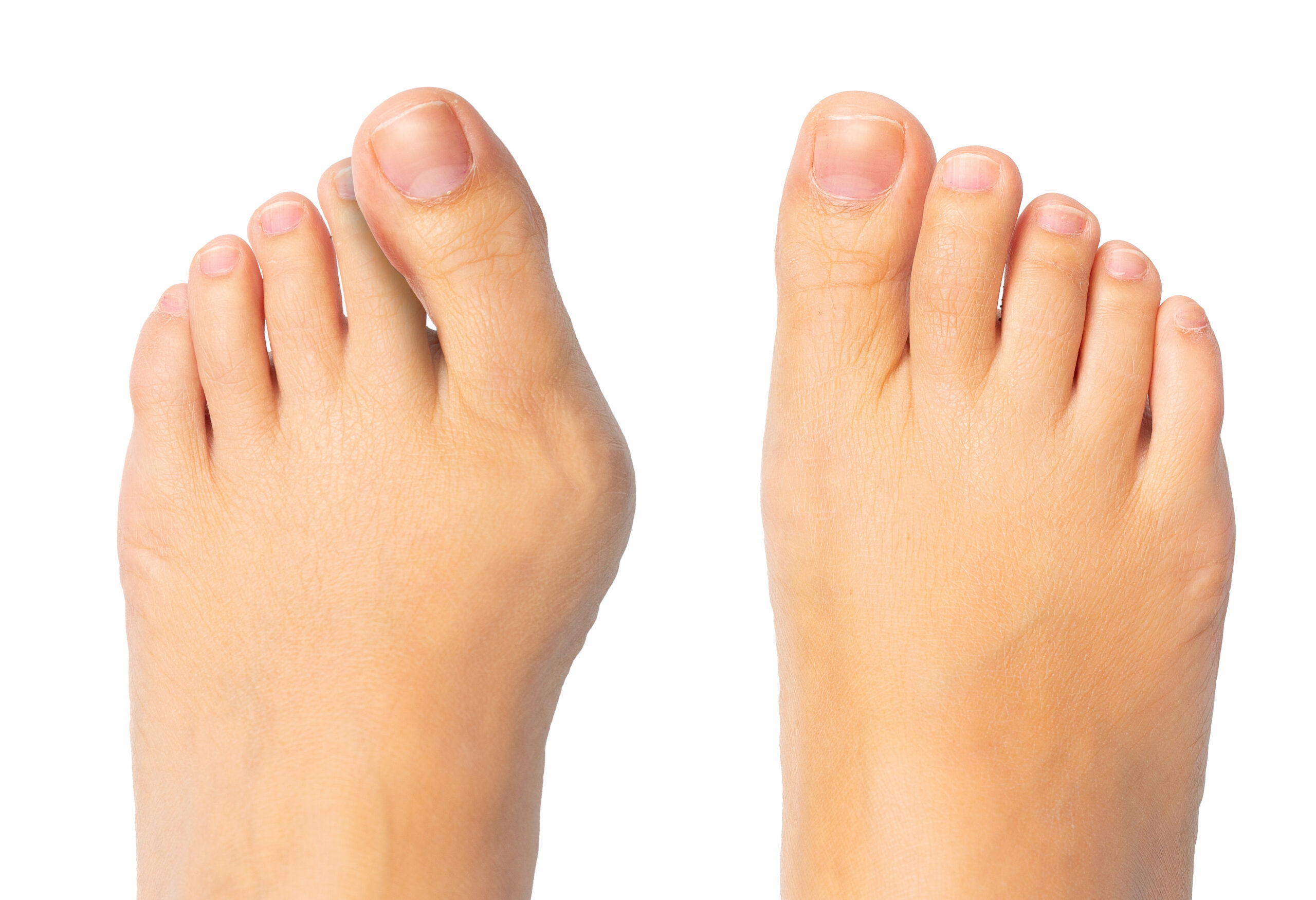
Bunion surgery is designed to correct the underlying issue causing the bunion, and in many cases, the results are long-lasting. However, bunions can sometimes return over time depending on factors like foot structure, healing, joint stability, and everyday stress placed on the foot.
What Does It Mean for a Bunion to “Come Back”?
When a bunion comes back after surgery, it is known as a recurrent bunion. This means the big toe gradually begins shifting out of position again over time following the procedure. In some cases, the bump slowly reappears. In others, a person may first notice pain, pressure inside shoes, or subtle changes in the toe’s alignment before the bump becomes noticeable.
However, a small amount of movement in the toe does not always mean the bunion has returned. Minor changes can occur naturally over time without causing symptoms or becoming problematic.
How Common Is Bunion Recurrence?
The recurrence rate depends on the kind of bunion, the surgical technique used, and the inherent anatomy of the patient’s feet. Mild recurrence might be possible in some percentage of patients, but not every recurrence needs additional treatment.
Severe recurrence is uncommon, particularly in cases where there has been full correction of the bunion and proper healing thereafter.
Why Bunions Sometimes Come Back After Surgery
A bunion usually does not return for one single reason. Multiple causes are often involved, including joint instability, healing patterns, footwear, and underlying walking mechanics.
Incomplete Correction During the Original Surgery
Some bunions tend to be more complicated than they seem. When the problem of instability has not been fully addressed in the initial surgery, the toe starts moving again.
Underlying Foot Mechanics
Certain foot structures naturally place more pressure on the front of the foot. Flat feet, arch instability, ligament laxity, and abnormal walking mechanics can all contribute to recurrence if they are not addressed as part of treatment.
Returning to Tight or Unsupportive Shoes
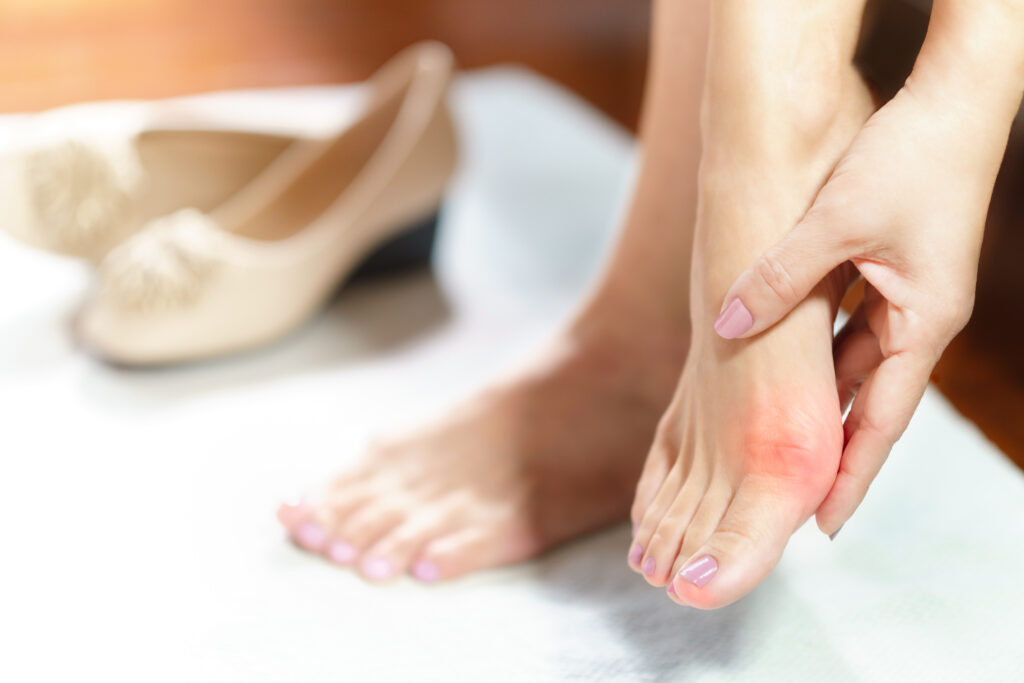
While tight shoes alone will not cause bunions, they can place ongoing pressure on the joint through continual use. Wearing tight shoes and high-heeled shoes too soon after surgery can put stress on the surgical correction.
Healing and Bone Position Changes
The bones continue healing for months after surgery. In some cases, the correction may gradually shift during recovery, especially if the foot is overloaded too early or if healing does not occur as expected.
Genetics and Joint Instability
Some patients are simply more prone to bunions because of inherited foot structure or ligament looseness. Even after a successful procedure, those underlying tendencies still exist.
How Long After Surgery Can a Bunion Come Back?
A bunion can return months or even years after surgery. In some cases, recurrence happens gradually over time as the joint shifts and pressure continues to affect the foot. For others, the correction remains stable long-term without any issues.
A small amount of shifting does not always mean the bunion has fully returned. However, increasing pain, changes in toe alignment, or difficulty wearing shoes comfortably may be signs that the joint should be evaluated again.
Signs a Bunion May Be Returning
Some of the early signs of recurrence include:
- The big toe starting to angle inward again
- Pressure or irritation near the joint
- Difficulty fitting comfortably into shoes
- Pain returning months or years after surgery
- A gradual reappearance of the bump
If you notice changes after surgery, it’s worth having the foot evaluated early before the deformity progresses further.
Does a Recurrent Bunion Always Need Another Surgery?
Not necessarily.
Some recurrent bunions remain mild and manageable with supportive shoes, orthotics, padding, and activity adjustments. If the recurrence is small and not causing significant symptoms, observation may be all that is needed.
Revision surgery is usually considered when:
- Pain becomes persistent
- The deformity continues to progress
- Walking becomes difficult
- Conservative treatment is no longer helping
The decision depends more on symptoms and function than appearance alone.
How Surgeons Help Reduce the Risk of Recurrence
Preventing recurrence starts with choosing the right procedure for the specific deformity and foot structure involved.
This may include:
- Correcting the full alignment problem
- Addressing instability in the joint
- Evaluating gait and biomechanics
- Recommending supportive footwear after surgery
- Using orthotics when appropriate
Following post-operative instructions closely also plays a major role in maintaining the correction long-term.
Why Recovery and Long-Term Care Matter
While most patients pay close attention to the procedure, it is equally essential to consider recovery and long-term foot support.
After surgery, it’s important to:
- Wear supportive shoes
- Avoid returning to restrictive footwear too quickly
- Follow weight-bearing instructions carefully
- Attend follow-up appointments
- Use orthotics if recommended
These steps help protect the correction while the foot continues healing.
Worried about Recurring Bunions?
If you have experienced some discomfort, shifting, or any changes to your toe following bunion surgery, Vale Foot and Ankle is ready to evaluate your condition and recommend appropriate measures. In many cases, the problem can be quite minor. In others, however, more corrective actions might be required. Contact us today for a thorough assessment and personalized treatment plan based on your anatomy and symptoms.