

Flat Feet

Flat Foot Diagnosis and Treatment

Flat feet are more common than most people realize. While some cases are harmless, others can lead to chronic foot pain, fatigue, and even knee or back problems. Whether you were born with flat feet or developed them over time, we take your symptoms seriously at Vale Foot & Ankle.

Our team works to identify the underlying cause and guide you toward the right treatment, so you can move comfortably and confidently again.

What Are Flat Feet?

Flat feet (also called fallen arches) happen when the arch along the inside of your foot is low, or when it collapses under weight-bearing. This means more of your foot makes contact with the ground when you stand. Some people have flat feet and feel fine, while others develop pain, fatigue, or changes in alignment over time.

There are two main types of flat feet:

  • Flexible flatfoot: The arch may be visible when you’re sitting or standing on your toes, but it flattens when you stand normally. This is common, often runs in families, and may or may not cause symptoms.

  • Rigid flatfoot: The arch stays flattened even when you’re not putting weight on the foot. This type is less common and can be associated with joint stiffness, arthritis, previous injury, or other structural issues.


When flat feet are painful or progressive, they can affect more than just your feet. Over time, the body may compensate in ways that contribute to knee, hip, or back discomfort. Flat feet can also increase strain on structures like the plantar fascia and the posterior tibial tendon, which may lead to related problems if left untreated.

Symptoms of Flat Feet

You may have flat feet if you notice:

  • Arch pain or ankle soreness
  • Tired or achy feet after walking or standing
  • Frequent rolling of the ankles
  • Uneven shoe wear (especially on the inside edge)
  • Pain in the heels, knees, or lower back
  • Swelling along the inner side of the foot
  • Difficulty standing on your toes


Some people with flat feet have no pain at all, while others experience symptoms that gradually get worse without treatment.

What Causes Flat Feet?

Flat feet can be present from birth or develop over time. Common causes include:

  • Genetics: some people naturally have lower arches.
  • Posterior tibial tendon dysfunction (PTTD): a weakening or tearing of the tendon that supports the arch.
  • Injury or trauma: sprains, fractures, or dislocations that affect arch stability.
  • Obesity: extra weight puts more pressure on foot structures.
  • Rheumatoid arthritis: can lead to joint deterioration and flattening of the arch.
  • Aging and wear-and-tear: tendons and ligaments lose strength and elasticity over time.

Book Your Appointment For Flat Feet Treatment

Flat feet do not necessarily make day-to-day activities easy, whether you’re walking the dog or standing at your office. However, you do not have to suffer in silence or try to guess what is going on. We are here to diagnose your problem and get your feet behaving as they should.

Diagnosing Flat Feet

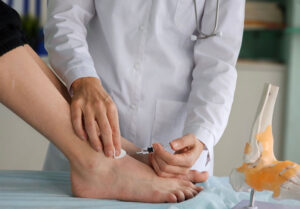
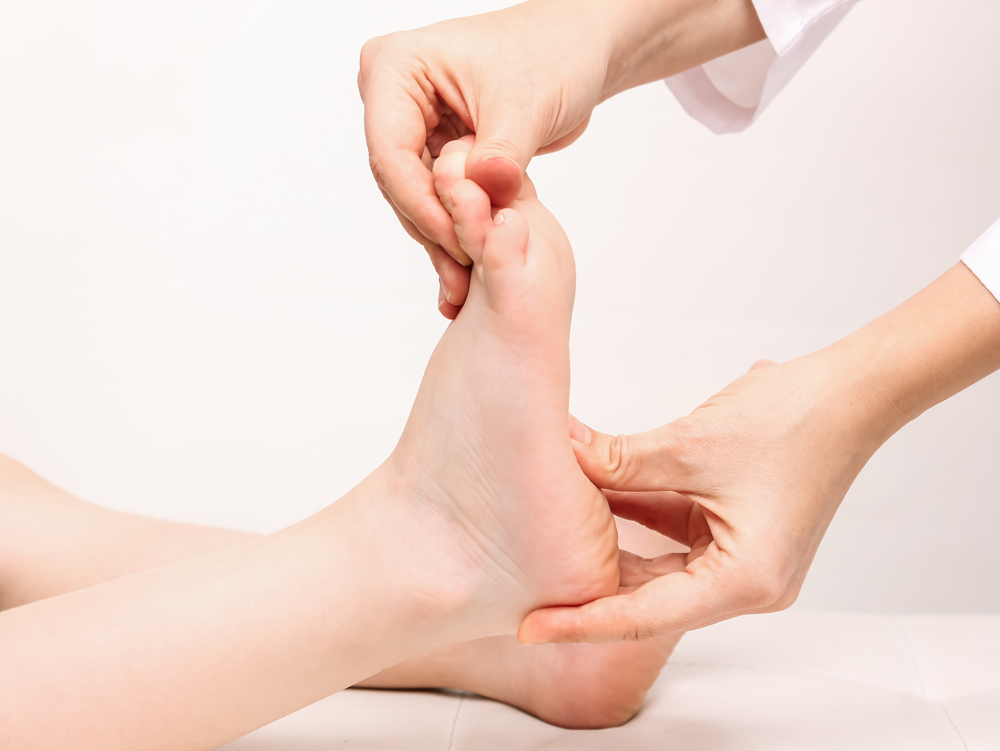
At Vale Foot & Ankle, diagnosis begins with a thorough foot exam. We’ll look at your foot shape, flexibility, gait (how you walk), and alignment to get a full picture of how your feet are functioning.

We may also use:

  • X-rays: to evaluate bone alignment or joint issues
  • Ultrasound or MRI: if tendon damage is suspected
  • Gait analysis: to assess how your feet and ankles move in real time


Our goal is to understand both the structural and functional impact of flat feet before recommending a treatment path.

Non-Surgical Treatment of Flat Feet

In most cases, a lack of arch can be treated without surgery. The best course of treatment will depend on your individual symptoms and lifestyle.

Common non-surgical treatments include:

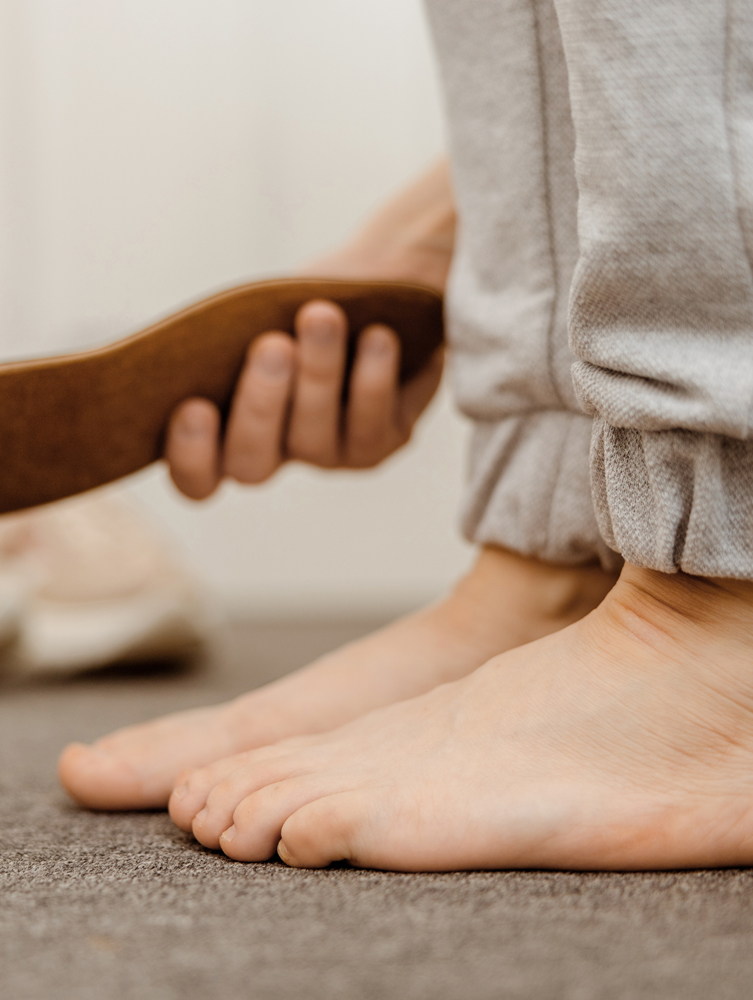
  • Custom orthotics: special inserts to support the arches, which relieve pressure.
  • Footwear Recommendations: footwear that offers firm support and wide toe boxes
  • Stretching and strengthening exercises: especially the posterior tibial tendon and the calf muscles
  • Anti-inflammatory options: to reduce swelling and relieve pain
  • Bracing: in situations where additional support is needed


We also provide personalized advice on how you may avoid high-impact activities that may exacerbate your symptoms while your foot stabilizes.

When is Surgery Needed For Flat Feet?

Surgery for flat feet is usually an option when other treatments do not help, or if the flat feet deformity is progressive, impacting your lifestyle.

Surgical procedures that can be considered may include:

  • Repair or reconstruction of damaged tendons
  • Procedures of realignment to correct B]bone positioning (Osteotomy)
  • Joint fusion or stabilization
  • Placement of an implant to support the arch


We will explain the choices available to you clearly, and you will be able to make a well-informed decision. The good news is that most patients recover well and feel more stable and comfortable post-surgery.

Preventing Flat Feet from Getting Worse

Although you may be born with flat feet, there are steps you may take to prevent further problems.

We recommend:

  • Supportive footwear to be worn daily (not just during exercise)
  • Maintaining a healthy weight
  • Performing targeted foot and ankle exercises
  • Replacing old shoes and orthotics regularly
  • Avoiding prolonged walking or standing on hard surfaces without support


The sooner you treat your foot, the more active you can be and the lower your chances of developing secondary ailments such as heel pain and arthritis.

Trust Vale Foot & Ankle for Lasting Flat Foot Relief

Flat feet may be common, but that doesn’t mean you have to live with discomfort. At Vale Foot & Ankle, we don’t just focus on the symptoms; we treat the source. Whether you need better shoe support, custom orthotics, or help deciding whether surgery makes sense, we’ll guide you step by step.

Book an appointment today and let’s get you back to walking comfortably and confidently.

Latest Posts