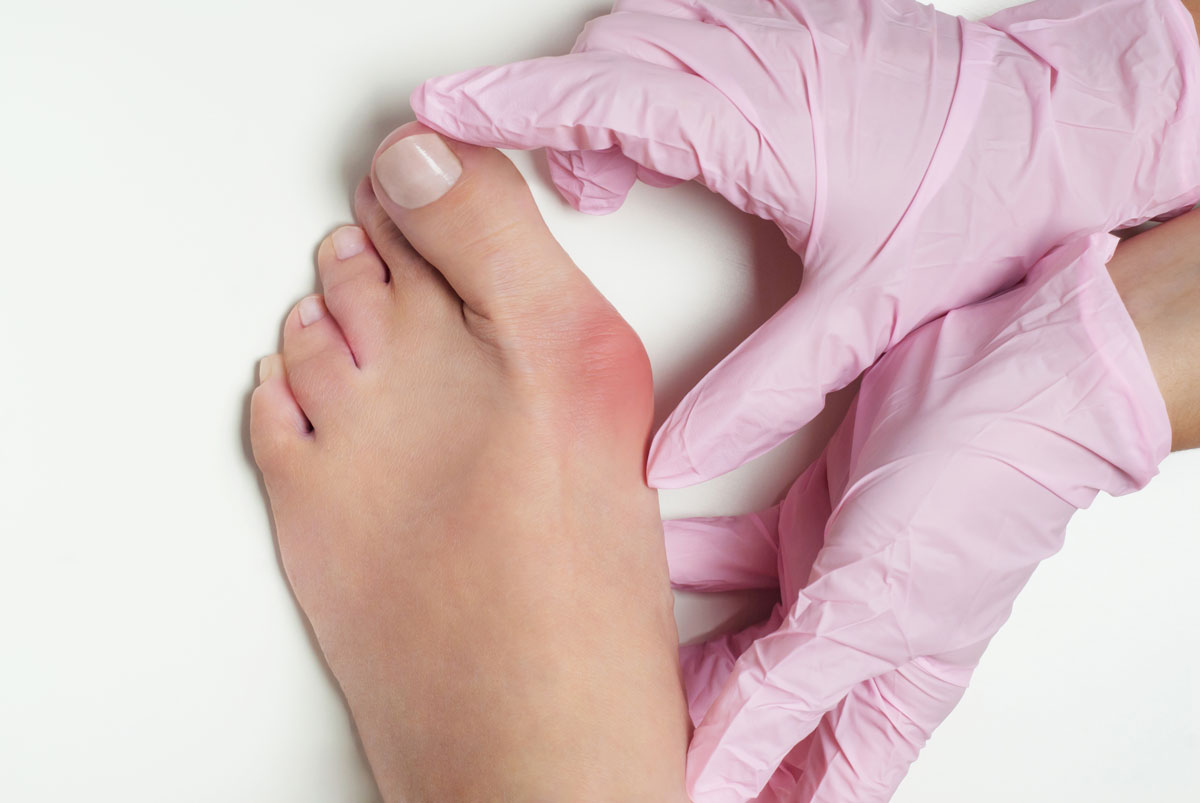
Bunion surgery can be painful during recovery, but each individual’s pain can look very different depending on whether you have a minimally invasive technique, a more traditional open approach, and how much correction your foot actually needs.
You won’t feel the procedure itself because anesthesia is used, but once the numbing wears off, it’s very common to have some degree of soreness, throbbing, and/or swelling that gradually improves as your foot heals.
Below, we’ll walk through what bunion surgery pain can feel like, what influences pain most, and what to expect as you move through each stage of healing.
Is Bunion Surgery Painful During the Procedure?
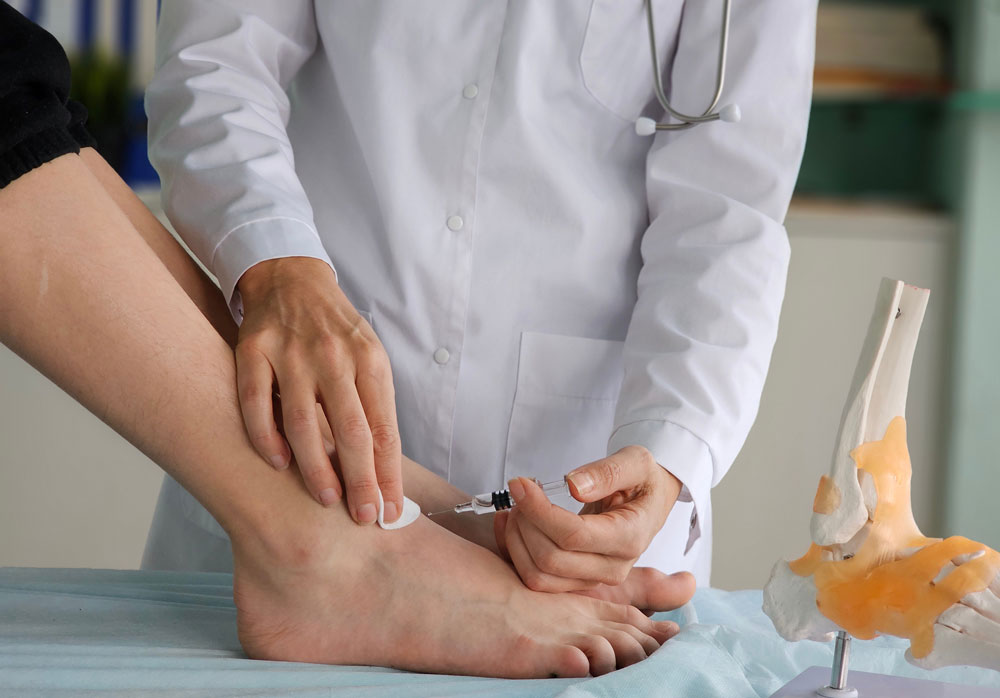
No. You will not feel the pain of the surgery because anesthesia is used. In addition, some patients undergo local anesthesia in the foot and ankle region to alleviate pain immediately after the surgery.

What Affects How Painful Bunion Surgery Feels?
Pain after bunion surgery depends on several factors, including:
- Nerve block / numbing strategy: A nerve block can make the first day feel easier, but pain often ramps up when it wears off.
- Surgery complexity: More bone work, joint work, or soft-tissue balancing usually means more swelling and a longer “sore” phase.
- Minimally invasive vs. traditional technique: Smaller incisions may help early comfort, but overall pain still depends on what was corrected.
- Swelling control: Swelling is a big driver of pain. Elevation and protecting the foot early on can make a noticeable difference.
- Individual pain threshold and sensitivity: Two people can have the same procedure and describe recovery very differently.
What Does Bunion Surgery Pain Feel Like Post-Op?
Pain after bunion surgery may be characterized by a throbbing, aching, or sore sensation in the region where the surgery took place. Pain usually worsens with increased swelling or when the foot is placed in a downward position for a prolonged period of time.
Bunion Surgery Pain Timeline: How Long Does It Last?
The length of time it takes to heal depends on the amount of work done on the bunion, but generally, most people follow a similar process.
Bunion Surgery Pain in the First 48-72 Hours
This period is generally the most uncomfortable. Swelling tends to increase very quickly, which can make the foot feel tight and uncomfortable. Elevation is one of the most important factors in how comfortable a patient feels during this time.
Bunion Surgery Pain After 1-6 Weeks
The pain and swelling should start to resolve, although you may experience episodes of pain if you are putting too much weight on the foot. At this stage, most patients notice that they are feeling much better, although the foot may still be sensitive and stiff.
Bunion Surgery Swelling and Soreness After 2-12 Months
It is not uncommon for the pain to resolve, but the swelling to persist for several months. During this time, the foot may feel as though it is “mostly better” but still look and feel puffy, especially after being on your feet all day.

How to Manage Pain After Bunion Surgery
Pain management basically involves swelling and following the surgeon’s advice.
Elevation to Relieve Bunion Surgery Pain
Elevating the foot as much as possible in the initial phase can greatly help in reducing swelling and pain.
Icing After Bunion Surgery
Ice can be used to relieve pain and swelling. It is important to have a cloth between the ice and the skin, and follow the schedule provided by the provider.
Follow Weight-Bearing Advice After Bunion Surgery
Doing too much can be one of the reasons for increased pain. If the plan is to follow limited weight-bearing, it is important to follow it.
Bunion Surgery Recovery Results: Will Surgery Relieve Pain?
For many individuals, bunion surgery relieves them from the persistent pain associated with their bunion. However, there is some degree of stiffness that may remain. In addition, toes may not always be straight after the recovery process. There is also a possibility for bunions to reform.
When Post-Op Pain After Bunion Surgery Could Signal a Problem
Some pain is expected. Call your provider if you notice:
- Increasing redness or warmth around the incision site
- Increasing swelling that doesn’t go down with elevation
- Fever or chills
- Drainage that looks like pus
- Pain that feels severe and out of proportion, especially if there has been a period of improvement.
What to Expect With Bunion Surgery Pain
While the initial discomfort of bunion surgery is undeniable, the consensus is that the discomfort is minor and temporary. The long-term outcome is to eliminate the pain and inconvenience that the bunion has caused. If you are unsure of the type of bunion surgery that you would require, the first place to start is to schedule an evaluation.
Schedule a Bunion Evaluation at Vale Foot & Ankle Surgery
Are you ready to discuss your bunion-related discomfort and whether or not surgery is right for you? Contact us today to get your bunion evaluated, discuss your treatment options (including non-surgical ones), and get a better idea of what your road to recovery might look like for your bunion.
Bunion Surgery Pain FAQs
How Painful Is Bunion Surgery?
It is generally accepted that the first few days are the hardest. After that, the discomfort tends to improve gradually over the next few weeks. The pain can be controlled if you keep elevating the foot, resting, and adhering to the post-operative regimen.
How Long Does Bunion Surgery Pain Last?
The worst pain is usually experienced in the first few days. After that, the discomfort tends to improve gradually over the next 4 to 6 weeks. The swelling may persist for months.
Why Does Bunion Surgery Pain Feel Worse at Night?
It is possible that the swelling increases during the day, causing discomfort in the evening.
When Can You Drive After Bunion Surgery?
When you can drive again depends on which foot you had surgery on and if you are taking any prescription pain medications. If you had surgery on your right foot, you should wait until you can stop the car and your surgeon gives you the go-ahead. If you had surgery on your left foot and you have an automatic transmission, you can probably drive sooner if you are off narcotics.