Athlete’s Foot
Athlete’s Foot Diagnosis and Treatment
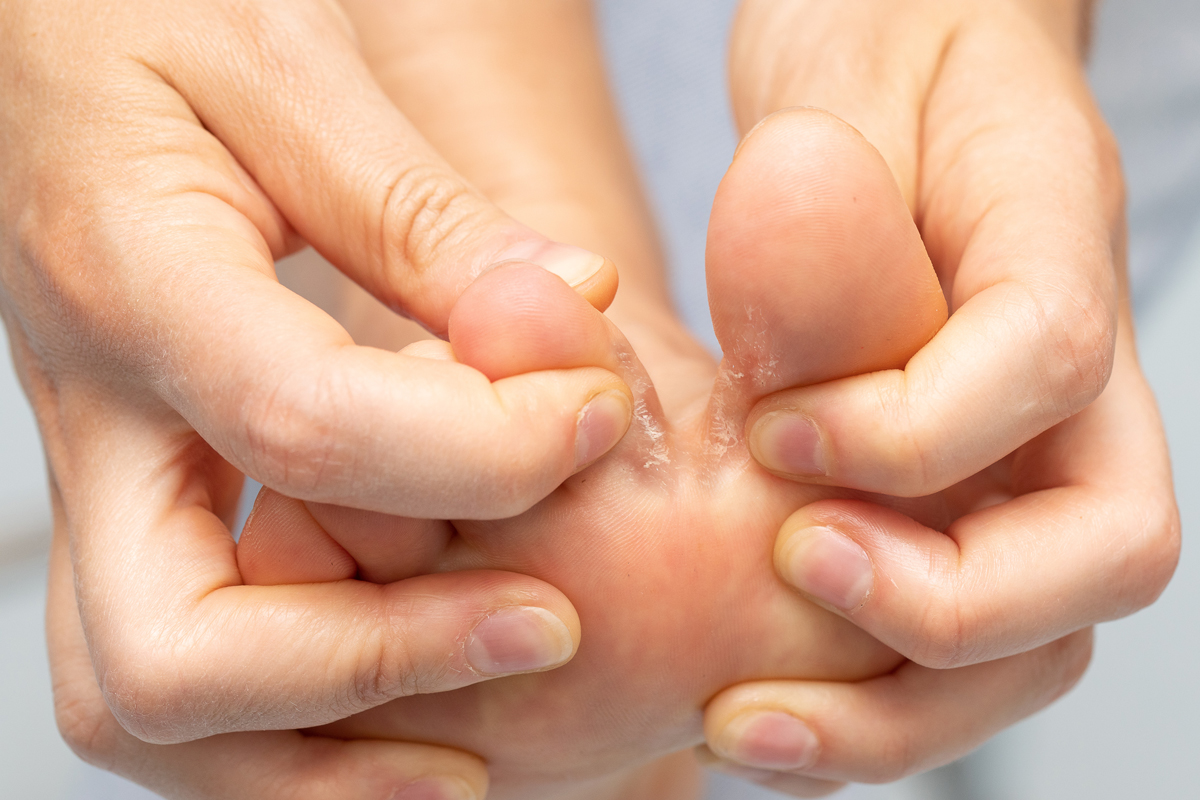
Athlete’s foot is one of the most common foot infections. It can begin as a minor annoyance, but quickly becomes troublesome if not treated properly. Many people complain about the itchy, red, and peeling skin on their toes and assume that it will go away on its own. But fungal infections like Athlete’s foot often spread and get worse if not properly treated.
At Vale Foot and Ankle, we provide reliable, proven, powerful treatment to our patients suffering from Athlete’s foot. We treat Athlete’s foot infections in a way that not only provides immediate relief but also helps prevent future occurrences.
What is Athlete’s Foot?
Athlete’s foot is a common fungal infection of the skin on the feet, most often affecting the areas between the toes. It is caused by dermatophyte fungi that thrive in warm, moist environments, such as sweaty shoes, locker rooms, and public showers.
Athlete’s Foot may spread to the soles of the feet, sides of the feet, and even the nails if not treated in a timely manner.
There are various types of athlete’s feet. These include:
- Interdigital Athlete’s Foot: This is the most common type of athlete’s foot. It occurs between the toes.
- Moccasin Type Athlete’s Foot: This type of athlete’s foot causes scaly skin on the sole and sides of the feet.
- Vesicular Athlete’s Foot: This is less common and is characterized by blistering of the feet.
Athlete’s Foot is not uncommon; however, infections must be treated to avoid complications.
Symptoms of Athlete’s Foot
The following are some of the symptoms of athlete’s foot. Experiencing any of these may indicate an infection.
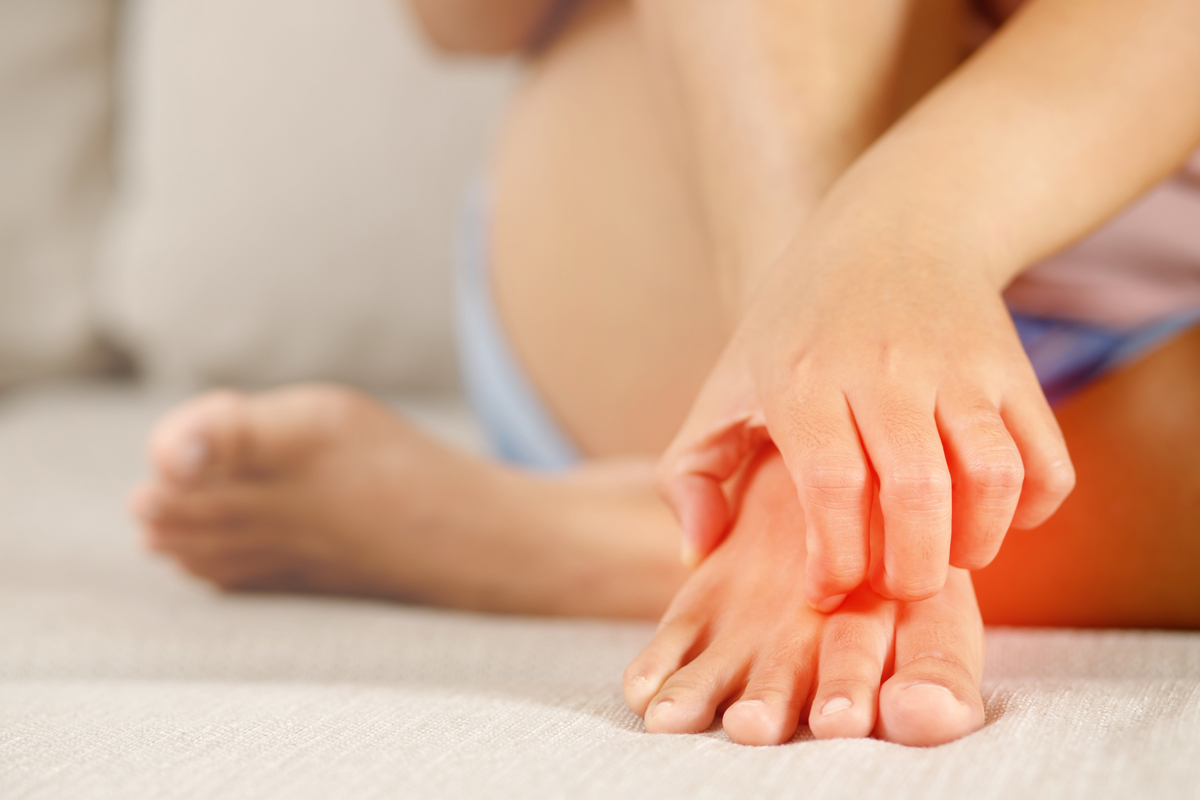
- Itching or burning between the toes
- Peeling, cracking, or flaky skin
- Red or irritated skin
- Dry, scaly patches of skin on the soles of the feet
- Small blisters, which may itch or sting
- A persistent rash, despite treatment
In severe cases, the skin may crack or be painful, leading to bacterial infections. Athlete’s Foot can also cause fungal infections of the toenails, leading to thickened, brittle, discolored nails that are difficult to treat.
Athlete’s Foot can be confused with other skin conditions, such as eczema, dermatitis, or even psoriasis, so it is essential to seek medical attention if you are experiencing any of these symptoms.
What Causes Athlete’s Foot?
Athlete’s Foot is caused by fungi called dermatophytes that infect the outer layer of the skin. These fungi thrive in warm, moist environments, such as sweaty shoes, locker rooms, public showers, and pool areas.
The infection spreads through direct contact with the fungus, either from contaminated surfaces or from skin-to-skin contact.
Common causes include:
- Wearing tight or poorly ventilated shoes
- Excessively sweaty feet
- Walking barefoot in locker rooms or public showers
- Sharing socks, shoes, or towels
- Wearing damp socks for long periods
- Minor skin cracks between the toes
People with diabetes, circulation issues, or weakened immune systems may be more susceptible to fungal infections and should seek care early.
Book Your Appointment
While Athlete’s Foot is considered a minor nuisance, constant itching, burning, and breakdown of the skin can disrupt one’s life. More seriously, untreated fungal infections can spread to other areas of the foot or into the toenails.
At Vale Foot and Ankle, we can work to determine the cause of the infection and provide treatment to eradicate the fungus and prevent future occurrences.
How Athlete’s Foot Is Diagnosed
The diagnosis process usually starts with an examination of the skin and a discussion of the patient’s symptoms and habits. We will then check the infected parts of the skin and determine if the infection has spread to the toenails and the skin.
We might also need to take a skin sample to verify the presence of the fungi in the skin, which will ensure the right medication for the patient and will also rule out the possibility of other skin infections.
An Athlete’s foot diagnosis ensures that you’re getting the right treatment, which will effectively cure the infection.
Non-Surgical Treatment for Athlete’s Foot
Most cases of athlete’s foot can be effectively treated with non-surgical treatment.
Common non-surgical treatments:
- Topical antifungal creams and sprays – These are prescribed to kill fungal growth
- Oral antifungal medication – This is usually required in severe cases
- Medicated powders and sprays – These are applied to keep feet dry and prevent future infection
- Hygiene measures – Measures are taken to prevent future infection
- Treatment of fungal infections of toenails – If the fungal infection has spread to the toenails
Early treatment is essential to prevent future complications and difficulties in treatment.
When to See a Podiatrist for Athlete’s Foot
While many mild infections improve with basic care, medical treatment may be needed if:
- Symptoms continue after several weeks of treatment
- The infection spreads to the toenails
- Skin becomes cracked or painful
- The infection repeatedly returns
Patients with diabetes or circulation issues should always seek professional care for foot infections to prevent complications.
Preventing Athlete’s Foot from Returning
Once athlete’s foot is treated, simple habits can help prevent the infection from coming back:
- Keeping feet clean and dry
- Changing socks daily
- Wearing breathable shoes
- Using protective footwear in locker rooms or pools
- Avoiding shared towels or footwear
- Using antifungal powders when recommended
Good foot hygiene plays a major role in preventing future infections.
Trust Vale Foot and Ankle for Athlete’s Foot Treatment
Fungal infections may be quite annoying, especially when they recur. At Vale Foot and Ankle, we not only treat fungal infections but also make sure they don’t recur. Whether you’re suffering from mild or severe Athlete’s Foot, we’re here to help.
If you’re suffering from itchy feet with peeling and irritation on your feet, don’t wait any longer for things to get even worse.
Contact us today and take the first step to healthier feet!
Latest Posts

How to Fix Flat Feet: What Actually Works (and What Doesn’t)
Flat feet are common, but when they start causing pain, fatigue, or changes in the

Is Bunion Surgery Painful? What to Expect Before, During, and After Surgery
Bunion surgery can be painful during recovery, but each individual’s pain can look very different

Stem Cell Injections for Plantar Fasciitis: What to Know Before You Decide
Plantar fasciitis is one condition that tends to disappear into the background, until it doesn’t.