Minimally Invasive Bunion Surgery

Minimally Invasive Bunion Surgery Treatment

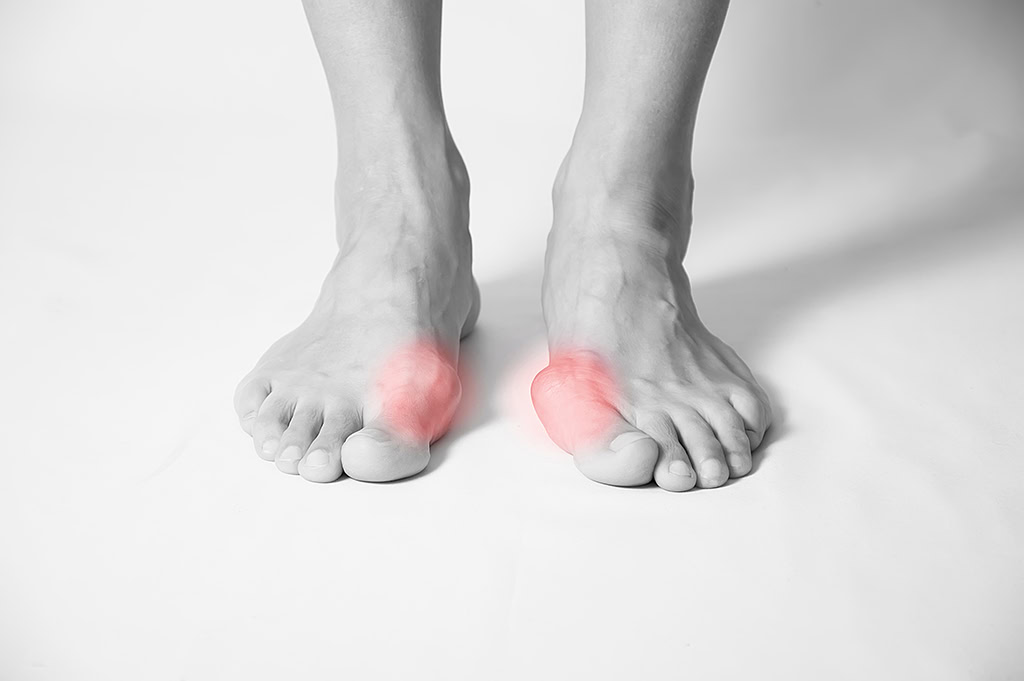
Bunions often begin as a small bump near the base of the big toe, but they can become more painful and limiting over time. As the joint shifts out of alignment, you may notice swelling, discomfort in shoes, pain when walking, or difficulty staying active. 

If conservative treatment is no longer helping, minimally invasive bunion surgery may be considered. This approach uses very small incisions to realign the joint and correct the bunion.

What Is Minimally Invasive Bunion Surgery?

Minimally invasive bunion surgery corrects the bunion through smaller incisions than traditional open surgery. The goal is to realign the big toe joint while limiting disruption to nearby soft tissue.

Using advanced tools and imaging, a podiatric surgeon can achieve precise alignment by correcting and realigning the bones. Compared to traditional bunion surgery, minimally invasive procedures may result in smaller scars, less tissue trauma, and a faster initial recovery for some patients. However, the best approach to treat your bunion always depends on the severity of the condition and your individual needs.

Several factors need to be considered before opting for minimally invasive bunion surgery. These include the bone structure, extent of deformity, and stability of the joint, among others.

When Is Minimally Invasive Bunion Surgery Recommended?

Many people can manage bunion symptoms with conservative treatment for years. However, when symptoms start to affect their lives, surgery may be needed.

You may be a candidate for minimally invasive bunion surgery if you experience:

  • Persistent pain around the bunion joint
  • Difficulty wearing normal shoes
  • Progressive toe deformity
  • Chronic swelling or irritation
  • Symptoms that have not improved with non-surgical treatment


The decision to proceed with surgery is based on both the severity of the bunion and the impact it is having on your quality of life.

How We Evaluate Bunions

Every patient at Vale Foot and Ankle Surgery begins with a detailed evaluation to determine the severity of the bunion and identify the most appropriate treatment option.

Your evaluation may include:

  • Physical examination
  • X-ray of your feet
  • Joint stability testing
  • Gait analysis
  • Symptom discussion


This process will help us assess if minimally invasive bunion surgery will be the most successful option for you.

Book Your Appointment

Living with bunion pain can make walking, exercising, and even finding comfortable shoes more difficult than it should be.

At Vale Foot and Ankle, we help patients understand all available treatment options, including whether minimally invasive bunion surgery may be appropriate for their specific condition.

Benefits of Minimally Invasive Bunion Surgery

While every patient’s experience is different, potential benefits of minimally invasive bunion surgery include: 

  • Small incisions
  • Minimal damage to soft tissue
  • Reduced pain following surgery
  • Early resumption of activity
  • Reduced scarring


It all depends on the kind of bunion present and the type of surgery done.

Does Minimally Invasive Bunion Surgery Hurt?

No. Minimally invasive bunion surgery is performed under anesthesia, so you should not feel pain during the procedure itself. Depending on the type of surgery and your individual needs, your surgeon may use local anesthesia, sedation, or general anesthesia to keep you as comfortable as possible throughout the operation.

After the procedure, some pain, soreness, and swelling are normal as the foot begins to heal. However, many patients find that post-operative discomfort is manageable with medication, rest, elevation, and ice. Your surgeon will discuss your anesthesia options and what to expect during recovery before surgery.

What to Expect During Recovery

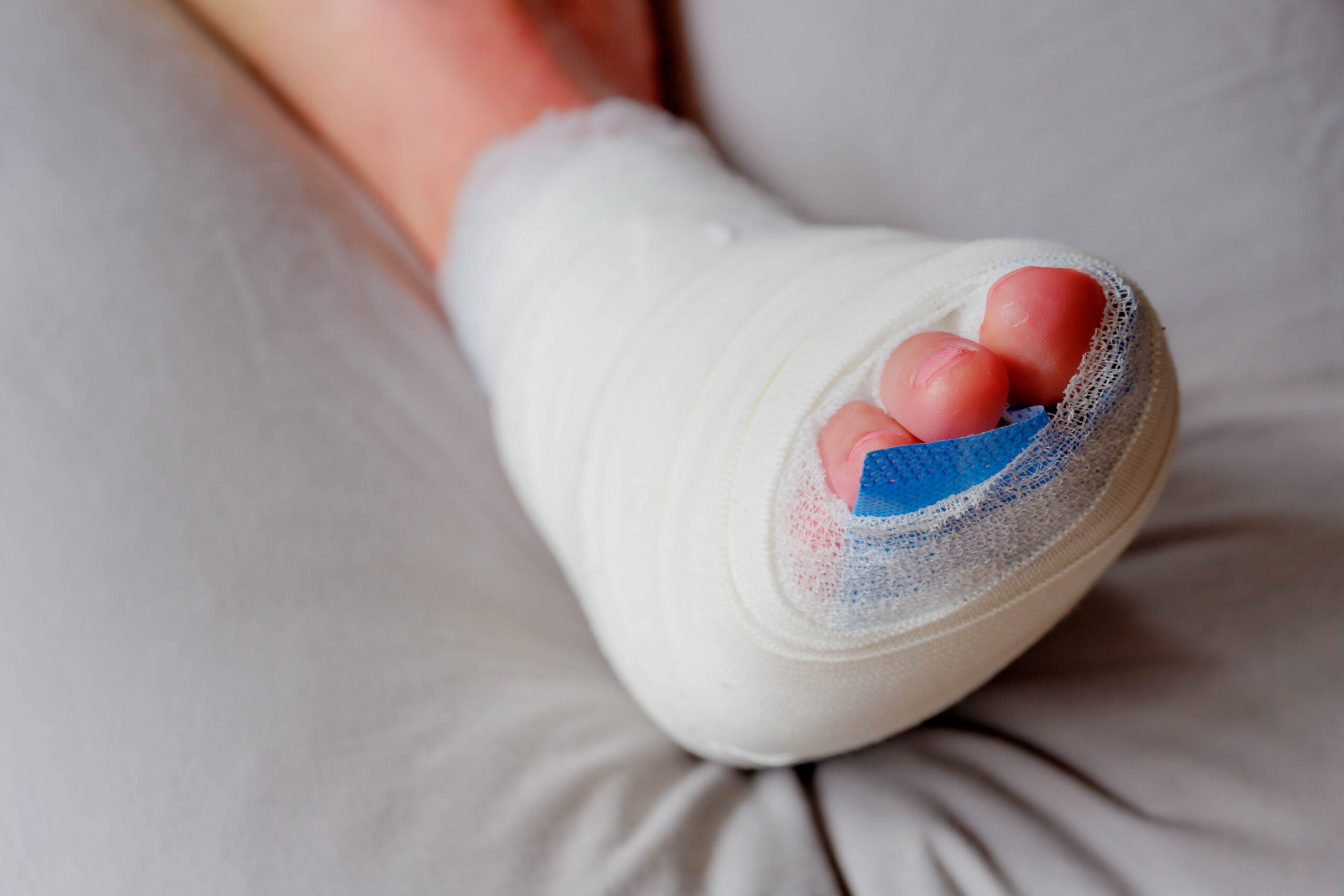
Recovery depends on the severity of the bunion and the type of procedure performed. Even with smaller incisions, the bones still need time to heal and settle into their corrected position.

During recovery, you may need:

  • A surgical shoe or boot
  • Temporary activity restrictions
  • Follow-up appointments and imaging
  • Gradual return to normal footwear
  • Time for swelling to resolve


Most patients notice steady improvement over the weeks and months following surgery.

Is Minimally Invasive Bunion Surgery Right for Everyone?

Not necessarily. While many patients are good candidates, the best procedure depends on the severity of the bunion, joint stability, foot structure, and overall health. 

Sometimes the optimal method can be traditional surgery, while some cases can only be solved by minimally invasive surgery.

Why Choose Vale Foot and Ankle for Bunion Surgery?

Bunion surgery is not one-size-fits-all; at our practice, our approach to your care focuses on finding the right treatment based on your particular anatomy and symptoms.

We offer:

  • A thorough diagnosis
  • Conservative and surgical treatment options
  • Modern approaches to correcting bunions
  • Treatment plans customized to your needs
  • Continuous care from the first consultation to your full recovery


Should you be looking for any kind of treatment for a bunion, you are in the right place.

Schedule a Consultation for Minimally Invasive Bunion Surgery

If bunion pain is affecting your daily life, you don’t have to continue living with discomfort. Understanding your options is the first step toward finding relief.

Contact us today to schedule a consultation and learn whether minimally invasive bunion surgery may be right for you.

Latest Posts