Skip to content

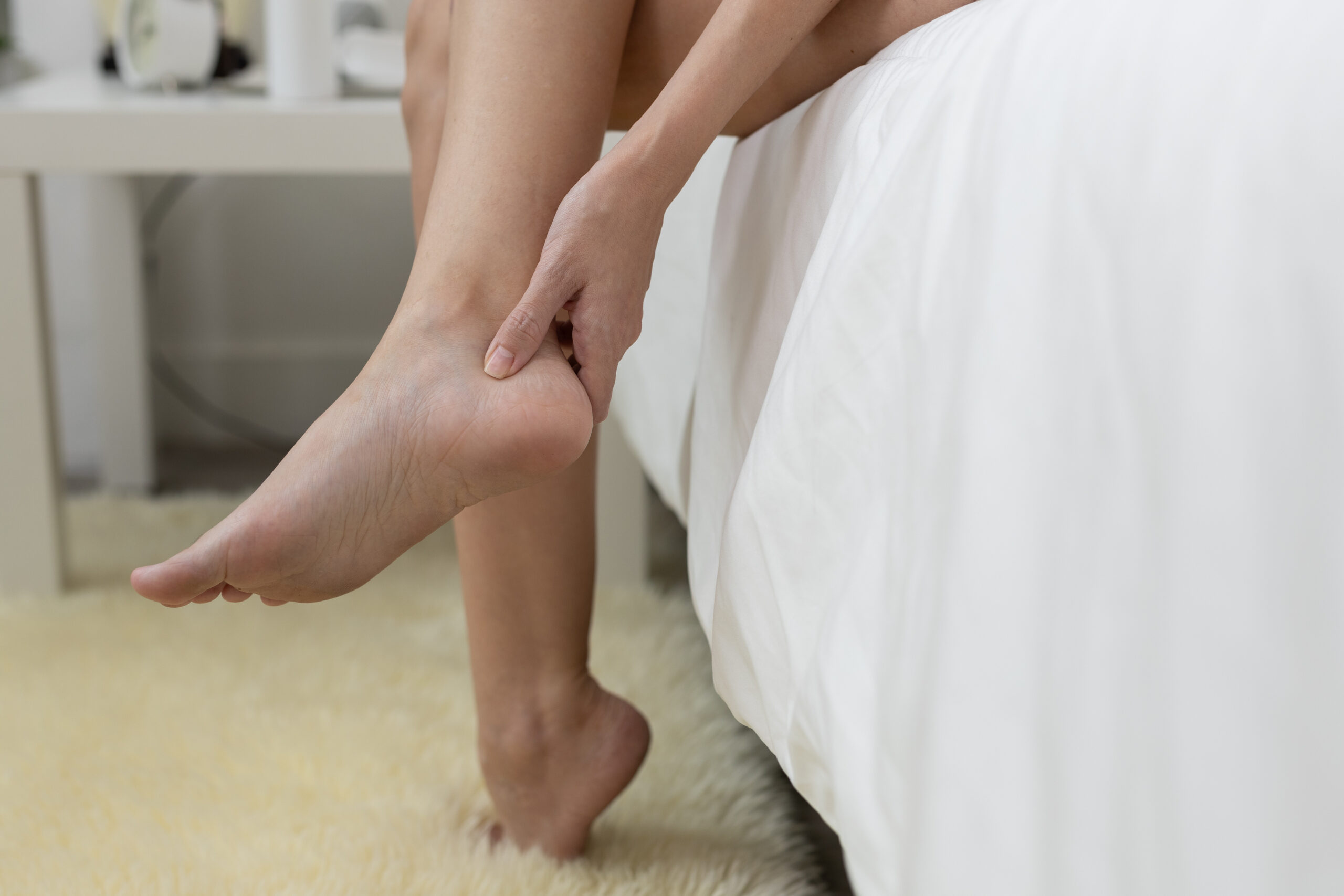
Yes. Plantar fasciitis can return after your heel has felt better for months or even years. A flare often develops when the plantar fascia is placed under strain again, whether from worn-out shoes, a sudden increase in activity, tight calf muscles, or foot mechanics that continue to overload the heel.
Recurring pain does not necessarily mean your previous treatment failed. The plantar fascia may have become irritated again, or a different condition may be causing similar heel pain. Recognizing the change early and identifying what is placing pressure on the heel can help prevent a mild flare from becoming more disruptive.
Why Plantar Fasciitis Comes Back
The plantar fascia is a strong band of tissue along the bottom of the foot. It connects the heel to the toes and helps support the arch.
When this tissue becomes irritated near the heel, it can cause pain under the heel or along the inside of the heel. The pain is often most noticeable during the first steps in the morning, after sitting, or after long periods of standing.
Even after symptoms improve, plantar fasciitis can come back if the source of strain has not changed.
Common reasons plantar fasciitis comes back include:
-
- Wearing worn-out or unsupportive shoes
-
- Walking barefoot on hard floors
-
- Returning to running or exercise too quickly
-
- Standing for long periods
-
- Tight calf muscles
-
- Flat feet or high arches
-
- Sudden changes in activity level
-
- Stopping stretches once pain improves
-
- Not using prescribed orthotics
-
- Changes in body weight
-
- Foot mechanics that continue to stress the heel
For many people, recurring plantar fasciitis is not caused by one single action. It usually happens when several smaller stresses build up over time.
Does Recurring Heel Pain Mean It Is Still Plantar Fasciitis?
Absolutely not!
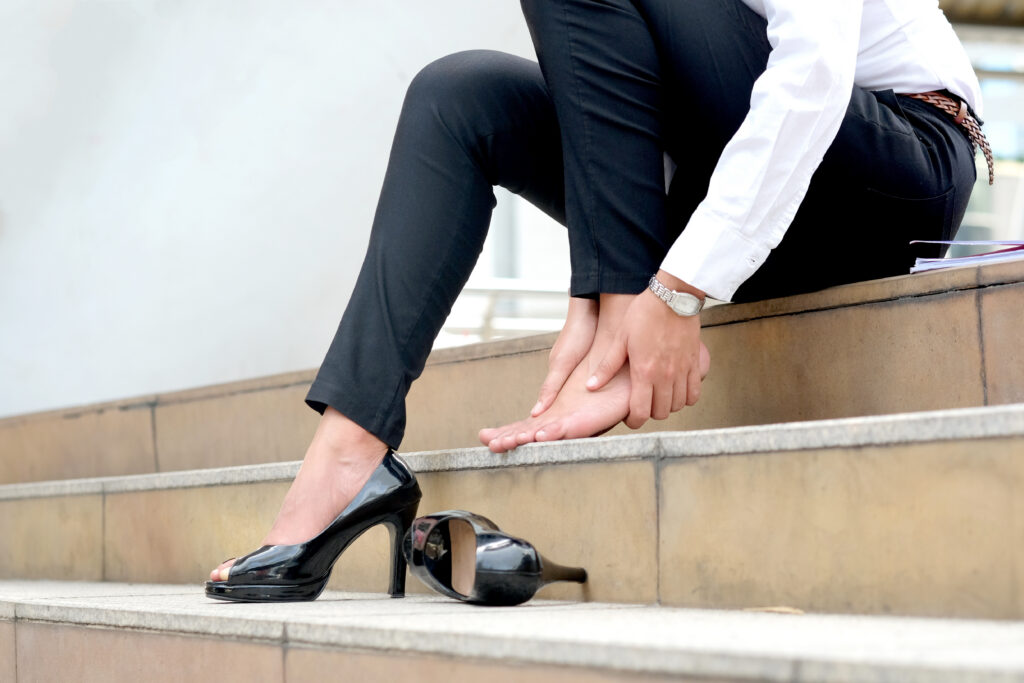
It could be plantar fasciitis once again, but there might be some other diseases, such as stress fractures, nerve irritation, arthritis, heel pads issues, or Achilles tendonitis.
Recurring heel pain needs a check-up, especially when there are some differences in the pain, if the pain becomes stronger or if it does not respond to the previous treatment methods.
Podiatrists will help you understand whether your plantar fascia or some other disease causes this pain.
Signs Your Plantar Fasciitis May Be Coming Back
Plantar fasciitis often returns gradually. At first, the pain may be mild or occasional. You may notice it after a long day, after exercise, or when getting out of bed.
Warning signs may include:
-
- Heel pain during the first steps in the morning
-
- Pain after sitting or resting
-
- Soreness under the heel after activity
-
- Tightness through the arch or calf
-
- Discomfort after standing for long periods
-
- Pain that improves with movement but returns later
-
- Heel pain that starts affecting how you walk
The earlier you notice these signs, the easier it may be to calm the irritation before it becomes a larger problem.
What Should You Do If Plantar Fasciitis Comes Back?
If plantar fasciitis comes back, start by reducing the strain on the plantar fascia This does not always mean stopping all activity, but it may mean adjusting what you are doing while the tissue calms down.
Helpful first steps may include:
-
- Wearing supportive shoes indoors and outdoors
-
- Avoiding barefoot walking on hard surfaces
-
- Stretching the calf and plantar fascia
-
- Reducing running, jumping, or long walks temporarily
-
- Using ice after activity
-
- Checking whether your shoes are worn out
-
- Returning to prescribed orthotics if you stopped using them
The most important thing is not waiting until each step causes pain. The sooner you have it looked at the better.
How to Lower the Chance of Plantar Fasciitis Returning
There is no guaranteed way to prevent plantar fasciitis from coming back, but reducing repeated strain can help.
Wear Supportive Shoes
Shoes are important even when your heel pain has improved. Unsupportive, thin, old or flexible shoes increase pressure on the plantar fascia.
Supportive shoes need to offer cushioning, stability and adequate structure for your feet type. If you spend most of your time on hard floors like tile, wooden or concrete, supportive shoes indoors are just as important as outdoor shoes.
Replace Worn-Out Footwear
Shoes get older, and their support decreases. A pair of shoes that used to help relieve heel pain can eventually fail to provide adequate support with frequent use over several months.
When heel pain recurs, check out the most commonly worn shoes.
Keep Stretching
Many people stop stretching once the pain improves. That is understandable, but tight calves can continue pulling on the heel and arch.
Regular calf and plantar fascia stretching may help reduce tension through the bottom of the foot. Stretching should feel controlled, not sharp or painful.
Gradually Increase Activity Levels
An unexpected increase in any activity like walking, running, exercise, or being upright could cause another flare.
If you are getting back into exercising due to heel pain, start slowly. Allow your body to become used to activity before increasing distances or impact.
Use Orthotics When Prescribed
Orthotics can help improve how pressure moves through the foot. Some patients use over-the-counter inserts, while others need custom orthotics based on their foot structure and gait.
If orthotics helped before, stopping them too soon may allow the same strain to return.
Pay Attention to Early Symptoms
Plantar fasciitis often gives warning signs before it becomes severe. Morning heel pain, tightness through the arch, or soreness after activity may be early clues.
Responding early with shoe changes, stretching, and activity modification may help keep symptoms from worsening.
When Should You See a Podiatrist Again?
You should consider scheduling an evaluation if heel pain returns and does not improve within a couple of weeks, or if it begins affecting walking, work, exercise, or daily activities.
A podiatrist visit may be especially important if:
-
- Pain is becoming more intense
-
- Symptoms keep returning
-
- Heel pain affects both feet
-
- You notice swelling, numbness, or unusual sensitivity
-
- Pain began after an injury
-
- Home care is no longer helping
-
- You have diabetes or circulation problems
Recurring plantar fasciitis may require a different treatment plan than the first episode. Your foot may have changed, your activity level may be different, or the original source of strain may still need to be addressed.
How Recurring Plantar Fasciitis Is Diagnosed
Diagnosis usually begins with a conversation about when the pain returned, where you feel it, and what has changed since your symptoms improved.
Your podiatrist may ask about:
-
- Footwear
-
- Work demands
-
- Exercise changes
-
- Time spent standing
-
- Previous treatments
-
- Orthotic use
-
- Stretching routine
-
- Morning pain
-
- Pain after activity
Digital X-rays may be used to check for fractures, arthritis, heel spurs, or other bone-related concerns. Ultrasound may also be used to evaluate the plantar fascia and surrounding soft tissue.
Treatment Options When Plantar Fasciitis Comes Back
The treatment is dependent upon the severity of the flare, recurrence of pain in the heel, and stress on the foot.
Treatment may include:
-
- Footwear changes
-
- Stretching and activity modification
-
- Custom orthotics
-
- Bracing or offloading
-
- Physical therapy
-
- Anti-inflammatory medication
-
- Corticosteroid injections when appropriate
-
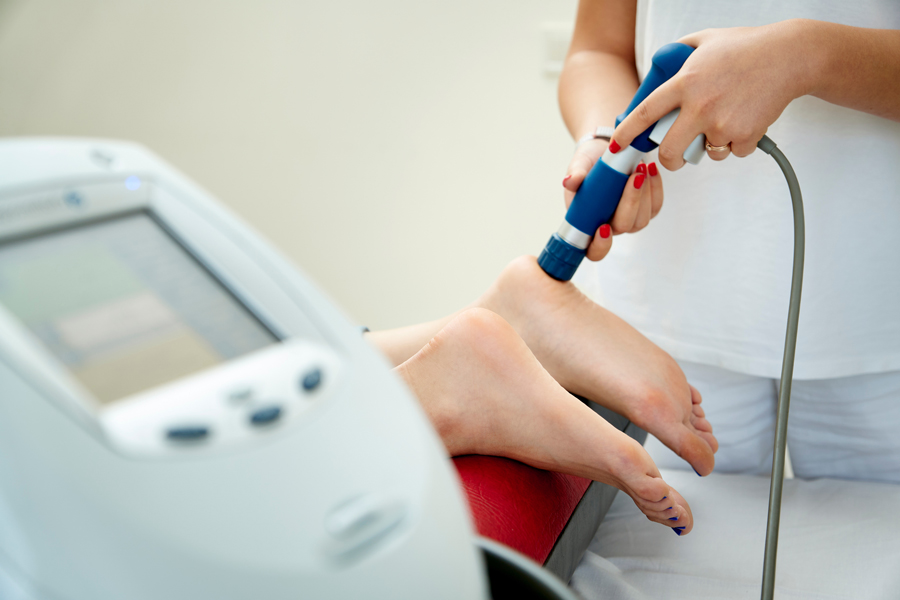
- Shockwave therapy for persistent symptoms
Surgery is rarely the first option for plantar fasciitis. Most patients have several non-surgical treatments to try before an operation is considered.
Does It Mean I’ll Always Have Heel Pain if I Have Recurring Plantar Fasciitis?
Absolutely not. Having recurring plantar fasciitis doesn’t mean that heel pain will become permanent.
It might mean that your feet require a more robust long-term strategy to deal with this condition. Such a strategy can involve better footwear, stretching, orthotics, changes in your physical activity or any treatment of the mechanics of your foot that cause pressure on your heel.
The key point is not to limit yourself only to the painful area.
Do Not Let Heel Pain Keep Coming Back
Repeated heel pain can occur if the underlying problem hasn’t been fixed. Old or poor-quality footwear, tight calves, repetitive impact, standing on your feet for long periods of time, and foot mechanics that still put strain on the heel can all play a role in repeated occurrences.
Fortunately, repeated heel pain can be treated if the cause of the condition is known. Treatment may include improved footwear, physical therapy, orthotics, and many other methods.
At Vale Foot and Ankle Surgery, our podiatrists will examine your symptoms, the structure of your foot, your footwear, and your lifestyle to identify the cause of your heel pain and design a treatment plan that works best for you. If you have heel pain repeatedly, call us today to schedule an examination.