Shockwave Therapy for Foot Pain
Understanding Shockwave Therapy for Foot and Ankle Pain
Shockwave therapy is a form of treatment which can be used to treat specific types of soft tissue injuries and chronic pain problems of feet and ankles. The therapy is based on the use of acoustic waves which can be used to stimulate the body’s natural healing process.
At Vale Foot and Ankle Surgery, shockwave therapy for your foot pain may be considered for patients with conditions such as plantar fasciitis, Achilles tendonitis, Morton’s neuroma, diabetic neuropathy, and other painful foot and ankle concerns that have not improved enough with traditional care.
What Is Shockwave Therapy?
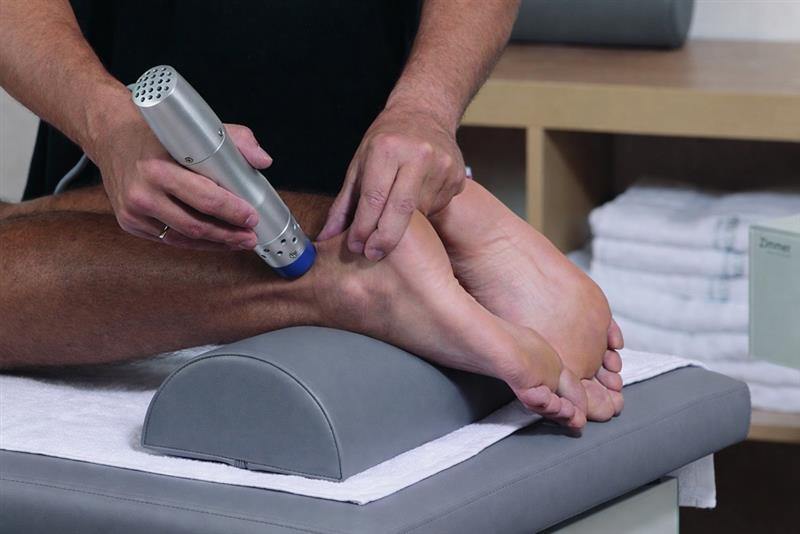
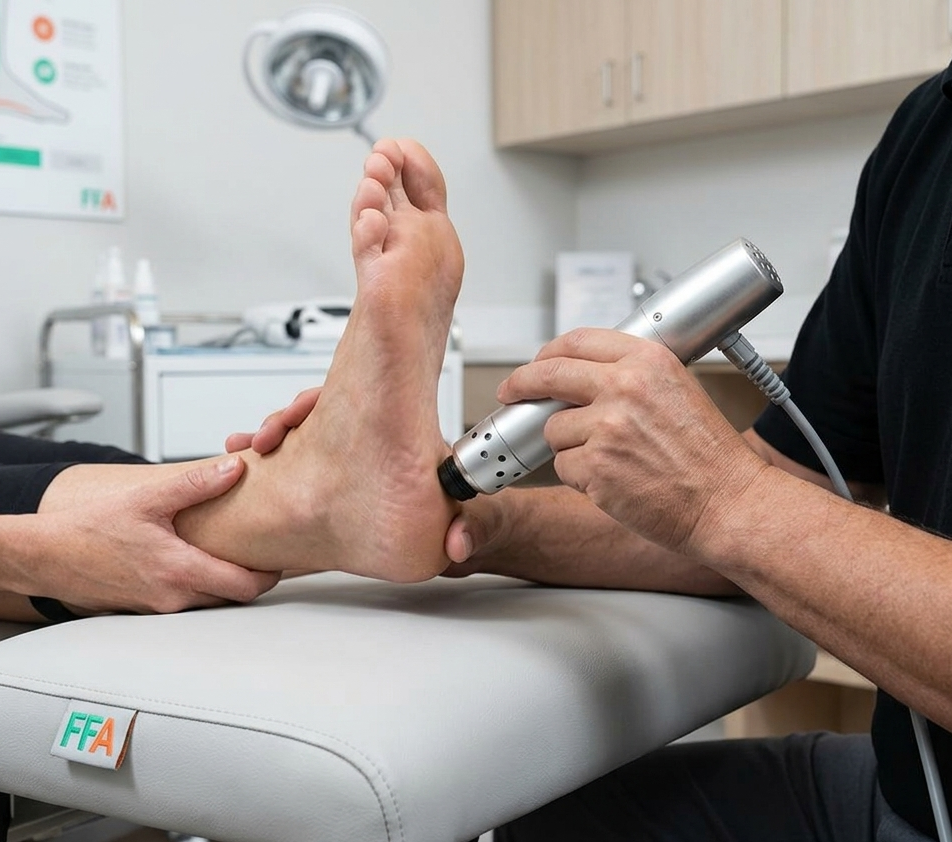
Shockwave therapy, also known as radial shockwave therapy or RSWT, uses controlled acoustic waves to treat irritated or injured soft tissue. These waves are delivered through a handheld applicator placed over the painful area.
The treatment does not involve incisions, anesthesia, or a lengthy recovery period. Sessions are quick, and most patients can return to normal activity the same day.
Shockwave therapy may be used for both acute and chronic tendon, fascia, and soft tissue conditions. In some cases, it can be introduced early in treatment rather than waiting until other conservative options have failed. Your podiatrist can determine whether shockwave therapy makes sense based on your diagnosis, symptoms, and treatment goals.
How Does Shockwave Therapy Work for Foot Pain?
When pain becomes chronic, the body may not respond to the injured area the same way it did at first. Healing can slow down, and the tissue may stay irritated for weeks or months.
Radial shockwave therapy uses acoustic waves in treating the painful soft tissue area. The waves trigger a specific reaction in the affected tissue, which may promote blood flow, new blood vessel growth, and the release of growth factors that support healing.
Shockwave therapy does not just aim at masking the pain; rather, it aims at helping the injured tissue heal.
Conditions Treated with Shockwave Therapy
Shockwave therapy may be considered for several foot and ankle conditions, including but not limited to:
- Plantar fasciitis
- Achilles tendonitis
- Morton’s neuroma
- Diabetic neuropathy
- Chronic heel pain
- Tendon irritation
- Soft tissue pain that has not improved with standard care
Not every patient is a candidate for shockwave therapy. A proper diagnosis is important before treatment begins so your podiatrist can determine whether this option makes sense for your condition.
Reasonable Expectations
Shockwave therapy can be helpful for many patients with chronic soft tissue pain, but results vary. Some patients notice a reduction in pain soon after treatment begins, while others improve gradually over a series of visits.
A typical plan may include one treatment per week for a series of five treatments. Each session usually takes about five minutes, depending on the size and number of areas being treated.
During treatment, there may be mild discomfort, especially over tender areas. These painful spots can help identify the injured tissue being treated. Afterward, some patients may feel soreness for a day or two, similar to a bruise or post-workout soreness. Bruising may occur in rare cases.
Shockwave therapy works best when the diagnosis is clear and the full treatment plan also addresses the source of strain. This may include footwear changes, orthotics, stretching, activity modification, or other care recommended by your podiatrist.
Benefits
- Non-invasive treatment
- No incisions
- No anesthesia required
- Quick in-office appointments
- Most patients can return to normal activity the same day
- May help stimulate the body’s natural healing response
- May improve blood flow to the treated area
- Can be used for chronic soft tissue pain
- May help some patients avoid more invasive treatment
Shockwave Therapy in Our Practice
At Vale Foot and Ankle Surgery, we use shockwave therapy as part of a personalized foot and ankle treatment plan. Before recommending it, our podiatrists evaluate your symptoms, foot structure, footwear, activity level, and previous treatments.
When appropriate, shockwave therapy may be used for chronic plantar fasciitis, Achilles tendonitis, Morton’s neuroma, diabetic neuropathy, or other soft tissue concerns. The treatment is performed in-office using a handheld applicator that delivers acoustic waves to the painful area.
Radial shockwave therapy is not covered by insurance at all, but our office can review pricing with you before treatment begins.
If you are dealing with chronic foot or ankle pain, contact us today to schedule an appointment and find out whether shockwave therapy may be right for you.
Latest Posts

Can Plantar Fasciitis Come Back?
Yes. Plantar fasciitis can return after your heel has felt better for months or even

Achilles Tendonitis vs Plantar Fasciitis: What’s the Difference?
Heel pain can be confusing because different conditions can hurt in similar areas. Two common

How Long Does Plantar Fasciitis Last?
Plantar fasciitis often lasts longer than people expect. Some people start to feel better within