Skip to content

Heel spurs can sound more concerning than they always are. Many people hear that they have a heel spur after an X-ray and assume the spur must be the reason their heel hurts. Sometimes that is true, but not always.
Heel pain can come from several different structures in the foot and ankle, including the plantar fascia, Achilles tendon, nerves, joints, soft tissue, or bone. A heel spur may be part of the picture, but it is not always the true source of pain.
Understanding where the spur is located, whether it is painful, and what tissue is irritated can help guide the right treatment plan.
What Is a Heel Spur?
A heel spur is a bony growth that forms on the heel bone. It is often found on an X-ray when a patient is being evaluated for heel pain.
Heel spurs can form on the bottom of the heel, near the plantar fascia, or at the back of the heel, near the Achilles tendon. These two locations matter because they are often connected to different conditions and may need different treatment approaches.
There are some cases where the heel spurs cause pain and there are other cases where heel spurs are discovered accidentally without causing any symptoms.
What Causes Heel Spurs?
Heel spurs usually develop over time in response to repeated stress or pulling on the heel bone. When soft tissues place ongoing tension on the heel, the body may respond by forming extra bone in that area.
Common factors that may contribute to heel spurs include:
- Plantar fasciitis
- Achilles tendon irritation
- Tight calf muscles
- Poor shoe support
- Flat feet or high arches
- Repeated impact from walking, running, or standing
- Changes in foot mechanics
- Arthritis or joint irritation
- Long periods on hard surfaces
The spur itself is not always the problem. In many cases, the soft tissue irritation around the heel is what causes pain.
What Does Heel Spur Pain Feel Like?
Heel spur pain can vary depending on where the spur is located and what tissue is involved.
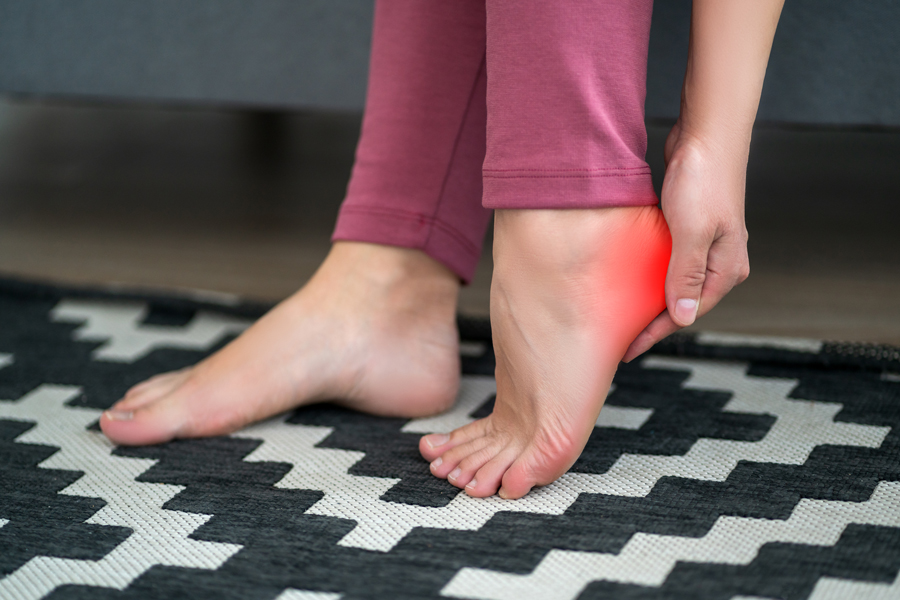
Pain from the bottom of the heel may feel sharp, sore, or bruised. It may be worse with the first steps in the morning, after sitting, or after standing for a long time. This type of pain is often linked with plantar fasciitis.
Pain at the back of the heel may feel more like aching, tenderness, swelling, or irritation where the Achilles tendon attaches. It may become worse with shoes that rub the back of the heel, walking uphill, climbing stairs, running, or pushing off the foot.
Because heel pain can have several causes, symptoms alone are not always enough to know whether the spur is the problem.
Are Heel Spurs Always Painful?
No. Heel spurs are not always painful.
Some people have heel spurs and never know it because they do not have symptoms. In other cases, a heel spur is found on an X-ray ordered for another reason.
If a heel spur is present but there is no pain, swelling, irritation, or walking problem, treatment may not be needed. The more important question is whether the spur is actually causing symptoms or whether the pain is coming from another structure.
That is why a proper diagnosis is important. Treating only what appears on an X-ray may not solve the problem if the pain is actually coming from the plantar fascia, Achilles tendon, or another structure.
Bottom of Heel Spur vs. Back of Heel Spur
Heel spur location matters.
A spur on the bottom of the heel is often associated with plantar fasciitis. In this case, the plantar fascia, the band of tissue along the bottom of the foot, is usually the main source of pain. The spur may show up on an X-ray, but it may not be the true cause of the symptoms.
A spur at the back of the heel can be different. This type of spur is often associated with the Achilles tendon. It may irritate the tendon or nearby soft tissue and may cause pain where the tendon attaches to the heel bone.
A simple way to think about it:
- Pain on the bottom of the heel may be related to plantar fasciitis.
- Pain at the back of the heel may be related to the Achilles tendon.
- A heel spur may be present in either area, but the spur itself is not always the main problem.
A podiatrist can evaluate the location of the spur, the location of the pain, and the involved soft tissue to determine what is actually causing symptoms.
Are Heel Spurs Connected to Plantar Fasciitis?
Heel spurs and plantar fasciitis are often discussed together, but they are not the same thing.
Plantar fasciitis occurs when the plantar fascia becomes irritated near the heel. This can cause sharp pain under the heel, especially during the first steps in the morning or after sitting for a while.
A spur on the bottom of the heel may be seen in patients with plantar fasciitis, but the spur is not always what hurts. In many cases, the pain comes from the irritated plantar fascia, not the bone spur itself.
This distinction is important. If the pain is really coming from plantar fasciitis, treatment should focus on reducing strain on the plantar fascia, improving support, stretching tight tissue, and addressing the mechanics that are overloading the heel.
When Should You See a Podiatrist About a Heel Spur?
You should consider seeing a podiatrist if you have heel pain that lasts more than a couple of weeks, keeps returning, or affects how you walk, work, exercise, or get through the day.
A visit may be especially important if you have:
- Pain with the first steps in the morning
- Pain under the heel
- Pain at the back of the heel
- Swelling or tenderness near the Achilles tendon
- Heel pain that worsens with activity
- Pain that does not improve with supportive shoes or rest
- Difficulty standing or walking
- Heel pain after an injury
- Diabetes, neuropathy, or circulation problems
If you were diagnosed with a heel spur but don’t experience any pain, there would be no need for any specific treatment of your condition. If you do have any pain, the next step will be to establish its source: the heel spur, plantar fascia, the Achilles tendon, or something else.
Finding the Culprit: How Heel Pain Is Diagnosed
Heel pain can come from many different problems, so diagnosis is an important part of treatment.
An X-ray is often one of the first steps. In many cases, imaging may be taken early in the visit, sometimes even before the provider comes into the room. X-rays can show heel spurs, fractures, arthritis, bone changes, and other structural concerns that may affect treatment.
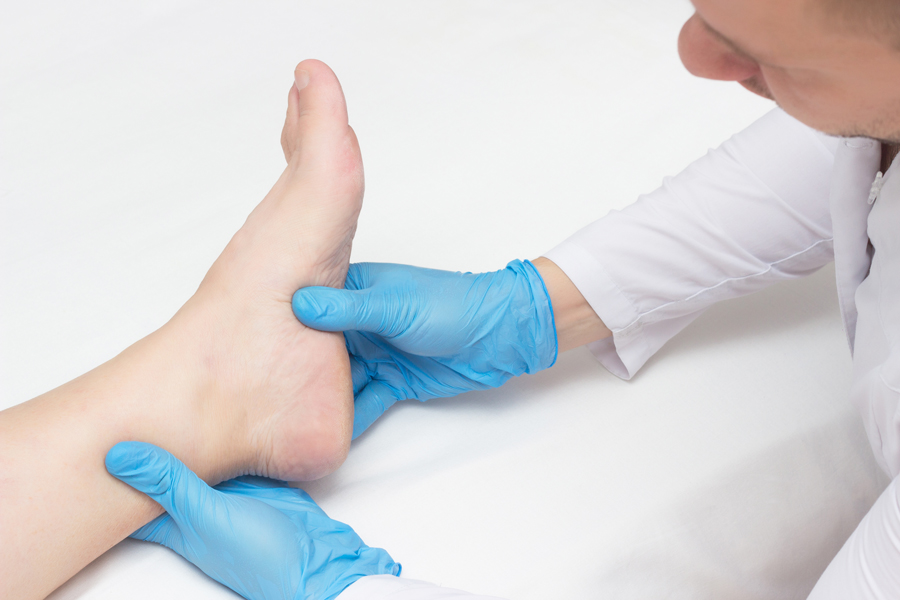
That said, the physical exam is just as important. A strong exam can often help identify the true source of pain. Your podiatrist may press along the heel, arch, Achilles tendon, and surrounding soft tissue to see exactly where symptoms are coming from.
A heel pain evaluation may include:
- X-rays to check bone structure and look for spurs or fractures
- A hands-on foot and ankle exam
- Review of pain location and daily symptoms
- Evaluation of calf tightness and ankle motion
- Gait and foot mechanics review
- Footwear evaluation
- Ultrasound when soft tissue injury needs closer evaluation
The goal is to identify the structure causing pain, not just the finding that appears on an X-ray.
Treatment Options for Heel Pain
Treatment depends on what is causing the heel pain. A bottom-of-the-heel spur connected with plantar fasciitis may be treated differently than a back-of-the-heel spur associated with the Achilles tendon. In many cases, heel spurs treatment focuses less on removing the spur and more on treating the irritated tissue, pressure, or foot mechanics causing the pain.
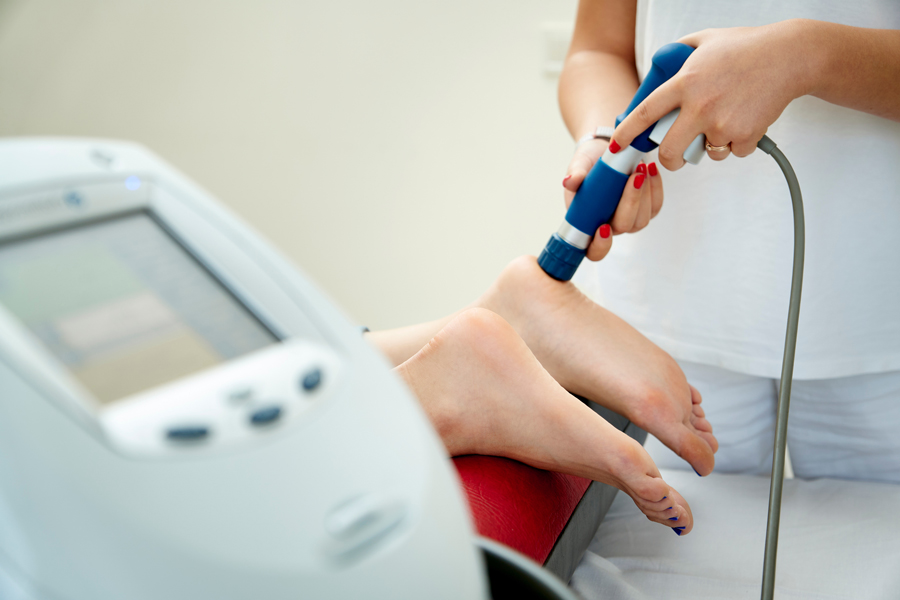
Non-invasive treatments are often recommended as initial steps. These could consist of better shoes, activity avoidance, stretching exercises and orthotics. Other treatments, like injections, physical therapy, or shockwave therapy, are usually reserved when the pain involves irritation of soft tissues.
Treatment may include:
- Supportive shoes
- Custom orthotics
- Calf and plantar fascia stretching
- Activity modification
- Heel cushioning or padding
- Bracing or splinting
- Anti-inflammatory medication when appropriate
- Corticosteroid injections when appropriate
- Physical therapy
- Shockwave therapy for chronic soft tissue-related heel pain
For Achilles-related heel pain, treatment may focus more on tendon strain, shoe irritation, heel lifts, calf flexibility, and reducing stress at the back of the heel.
Do Heel Spurs Go Away on Their Own?
Heel spurs rarely go away by themselves. Once there is a bone growth, it will normally show up on any imaging test.
But that doesn’t mean that you have to experience pain. It can be relieved with treatment of the surrounding soft tissue of your heel, whether the bone spur itself is still there or not.
This is usually the case if the pain is caused by problems of the soft tissues like plantar fasciitis. The emphasis is mostly on managing strains and irritation, among other things.
When Does a Heel Spur Need Surgery?
Most heel spurs do not need surgery.
Surgery may be considered when heel pain is severe, long-lasting, and has not improved with non-surgical treatment. The decision depends on where the spur is located, whether it is truly contributing to the pain, and what other tissues are involved.
A back-of-the-heel spur associated with Achilles tendon problems may require a different surgical discussion than a bottom-of-the-heel spur associated with plantar fasciitis.
Before surgery is considered, your podiatrist will usually review conservative treatments, imaging findings, symptoms, activity limits, and how long the pain has been present.
Treat the Pain Source, Not Just the Heel Spur
A heel spur can show up on an X-ray, but that does not always mean it is the reason your heel hurts. Pain on the bottom of the heel is often related to plantar fasciitis, while pain at the back of the heel may involve the Achilles tendon.
The most important step is identifying what is actually causing the pain. Once the source is clear, treatment can focus on the tissue or structure that needs care.
At Vale Foot and Ankle Surgery, our podiatrists evaluate heel pain with a physical exam, imaging when needed, and a careful look at foot structure, movement, footwear, and daily activity. If heel pain is affecting how you walk, work, exercise, or get through the day, contact us today to schedule an evaluation.