Skip to content

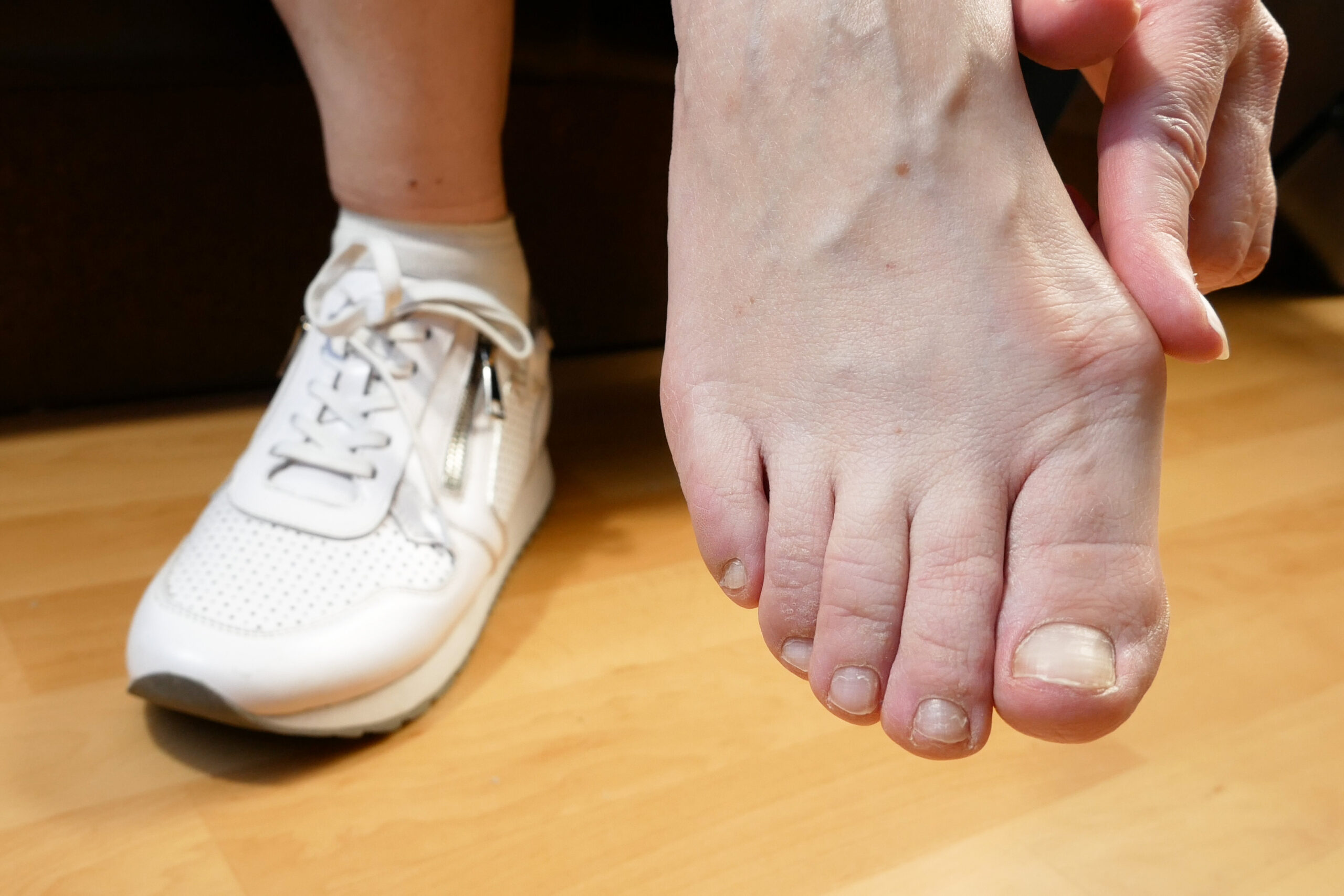
Finding shoes that feel comfortable with a bunion can be frustrating. A shoe may look roomy enough at first, but once you start walking, even a small amount of pressure at the big toe joint can cause rubbing, soreness, or swelling.
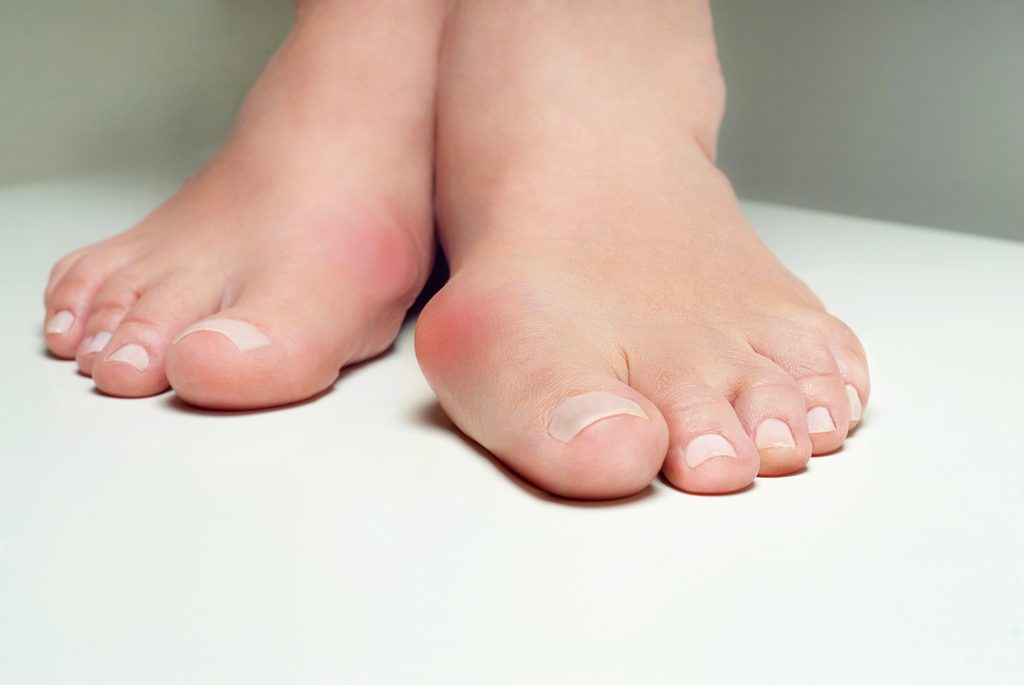
A bunion is more than a bump on the side of the foot. It forms when the joint at the base of the big toe shifts out of position, causing the big toe to lean toward the second toe. As that joint becomes more prominent, certain shoes can squeeze the front of the foot and place pressure directly over the bunion.
The right shoes will not correct the joint alignment, but they can make walking more comfortable by reducing irritation and giving the front of the foot more room.
Why Shoes Matter When You Have Bunions
Bunions often become more painful when shoes press against the enlarged joint. Narrow toe boxes, stiff materials, high heels, and pointed styles can all increase pressure at the front of the foot. Over time, that pressure may lead to redness, swelling, calluses, soreness, and pain while walking.
A good shoe gives the forefoot enough room without making the entire shoe feel too loose. It should also provide enough support to help reduce strain across the foot. Changing shoes is often one of the first steps in managing bunion pain.
What to Look for in Shoes for Bunions
When choosing shoes for bunions, look for features that reduce pressure on the big toe joint while still supporting the rest of the foot.
- A wide or extra-wide toe box
- Soft or stretchable upper materials
- Good arch and midfoot support
- A stable sole that does not twist too easily
- Cushioning under the forefoot
- A secure heel fit
- Enough depth if you use orthotics
These features can help reduce rubbing over the bunion while keeping the foot more stable during walking and daily activity. The best shoes for bunions are not always one specific brand or style. They are the shoes that give your forefoot enough room, support your foot properly, and do not rub against the bunion during daily activity.
Look for a Wide Toe Box
The toe box is the front part of the shoe where your toes sit. When you have a bunion, this area matters more than almost anything else. A bunion-friendly shoe should have enough room across the widest part of the foot so the toes are not squeezed together and the shoe is not pressing directly against the bunion.
A wide toe box does not mean the shoe should be oversized. If a shoe is too long, your foot may slide forward, which can cause more rubbing and instability. The shoe should feel secure through the heel and midfoot while still giving the front of the foot enough space.
When trying on shoes, pay attention to the shape of the toe box. Rounded or square-shaped styles usually work better than narrow or pointed shoes because they match the natural shape of the forefoot more comfortably.
Choose Softer Materials Around the Bunion
The material over the bunion can make a big difference. Stiff leather, hard overlays, thick seams, or decorative stitching can rub against the joint and make pain worse throughout the day.
Softer materials, such as soft leather, mesh, knit, or stretchable fabric, are often more forgiving. These materials allow the shoe to move with the foot instead of pressing into one painful spot. This can be especially helpful for patients whose bunion becomes red, swollen, or irritated after walking or standing.
A shoe may feel comfortable for a few minutes in the store, but small pressure points can become painful after longer wear. Before buying, check whether any seams or firm edges sit directly over the bunion.
Make Sure the Shoe Has Good Support
A roomy toe box can help reduce pressure on the bunion, but the rest of the shoe still needs enough structure to support the foot. Very soft or flexible shoes may feel comfortable at first, but if they allow the foot to move too much, they can increase strain through the arch, midfoot, and forefoot.
A good shoe for bunions should feel stable when you walk. It should support the arch and midfoot without twisting too easily from side to side. This type of support can be especially important for people with flat feet, high arches, arthritis, or pain in the ball of the foot.
If you are unsure what type of support your foot needs, a podiatrist can evaluate your foot structure, gait, and symptoms to help guide your shoe choices.
Avoid Shoes That Push Pressure Toward the Big Toe Joint
Some shoes are more likely to aggravate bunions because of the way they shape the foot. High heels shift body weight toward the front of the foot, while pointed shoes squeeze the toes into a narrow space. Together, those features can increase pressure on the big toe joint.
This does not mean you can never wear dress shoes, but daily footwear should not repeatedly irritate the bunion. If you need dress shoes for work or an event, look for a lower heel, a wider toe box, softer materials, and a stable sole. Even small changes in shoe shape can make a noticeable difference in comfort.
In general, the narrower and higher the shoe, the more pressure it places on the front of the foot.
Look for Cushioning Without Losing Stability
Many people with bunions also feel discomfort in the ball of the foot. This can happen when the bunion changes how pressure moves through the forefoot. Cushioning under this area can help absorb impact and reduce irritation while walking.
That said, cushioning should not replace support. A shoe that feels soft but unstable may not be the best choice for long periods of standing or walking. The best shoes usually combine comfort, padding, and structure so the foot feels supported instead of sinking or sliding inside the shoe.
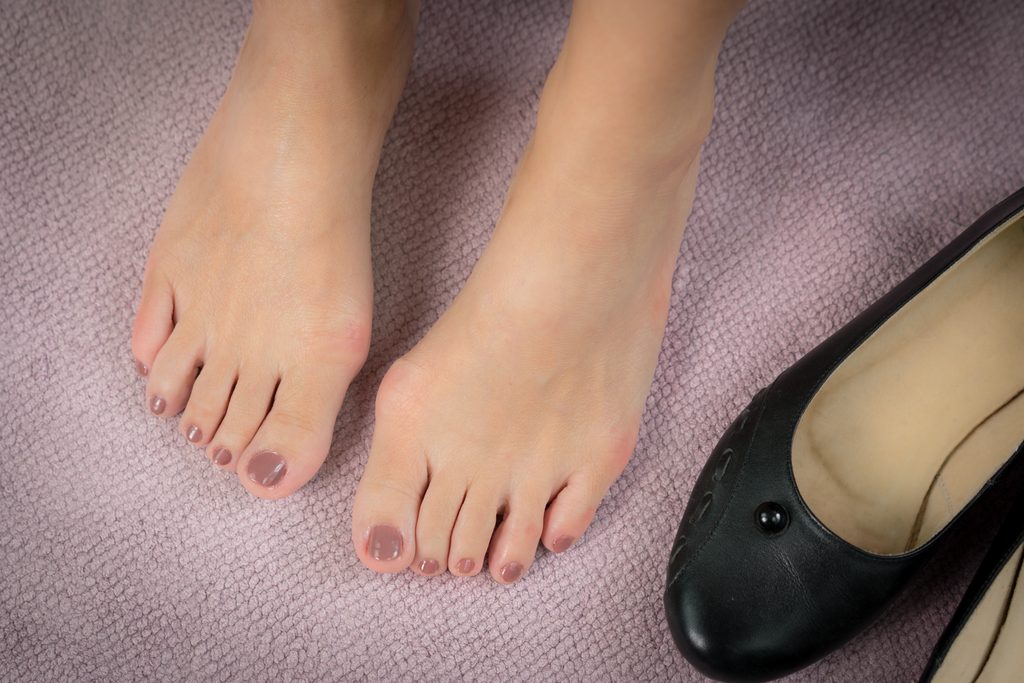
Check Width, Not Just Length
When bunion pain starts, many people try going up a half size or full size. That can help in some cases, but width is often the bigger issue. If the shoe is too long, the foot may slide forward and create more rubbing around the bunion.
A wide or extra-wide shoe can give the front of the foot more room without making the entire shoe feel loose. Since sizing can vary by brand, it may help to try more than one width and fit the shoe to the foot with the larger or more painful bunion.
The right fit should feel roomy in the forefoot, secure at the heel, and stable when you walk.
Consider Orthotics for Bunion Pain and Foot Support
Orthotics can help change how pressure moves through the foot. They will not remove a bunion, but they may reduce strain, support the arch, and make walking more comfortable.
Some patients do well with over-the-counter inserts, while others may benefit from custom orthotics based on their foot structure, gait, and symptoms. Orthotics can be especially helpful when bunion pain is connected to flat feet, arch collapse, overpronation, or pressure through the ball of the foot.
The shoe still makes a difference. A good orthotic will not be effective if the shoe is too narrow, too shallow, or not supportive enough.
What Shoes Should You Avoid With Bunions?
Shoes that press or rub against the big toe joint can make bunion pain worse. As a rule, avoid shoes that are too tight or offer little support under the forefoot.
- Pointed-toe shoes
- Narrow flats
- High heels
- Stiff dress shoes
- Shoes with seams over the bunion
- Flip-flops with little support
- Very flexible shoes that twist easily
- Shoes that feel tight across the ball of the foot
A shoe that produces pain within minutes of wearing it, turns the skin around your bunion red, or forces you to alter your walking pattern is a shoe that doesn’t fit you well.
Best Types of Shoes for Bunions
The best shoes for bunions depend on your foot structure, daily routine, and activity level. For many patients, walking shoes or athletic shoes with a wide toe box are a good everyday choice because they often provide more room, cushioning, and support than casual shoes. Brands such as New Balance, Brooks, HOKA, and Altra offer styles worth considering.
Stretch-knit shoes can also be helpful because they give the bunion more room without placing firm pressure over the joint. Supportive sandals may also work well in warmer weather if they have arch support, a stable sole, and enough space across the front of the foot. Brands like Orthofeet, Vionic, and Birkenstock offer casual footwear options that may be worth exploring.
For work or dress shoes, look for soft materials, lower heels, rounded toe boxes, and removable insoles if you use orthotics. The best option is usually the shoe that gives your bunion room without sacrificing stability. Keep in mind that not every style from these brands will be suitable for every foot, so fit matters more than the brand name.
Can Better Shoes Stop a Bunion From Getting Worse?
Better shoes can reduce pressure and irritation, but they do not address the underlying cause of the bunion. There are many reasons why a bunion forms, including foot structure, joint function, genetics, and pressure distribution throughout the foot.
If a bunion is mild, better shoes and orthotics may help manage discomfort and reduce irritation. If the bunion continues to progress, becomes more painful, or makes it hard to find shoes that fit, a podiatrist can discuss additional treatment options.
When Should You See a Podiatrist for Bunion Pain?
You should consider seeing a podiatrist if bunion pain is becoming more frequent, limiting your activity, or making it harder to wear shoes comfortably.
A podiatry visit can be helpful if you have pain at the base of the big toe, redness or swelling over the bunion, trouble finding shoes that fit, pain in the ball of the foot, corns or calluses from rubbing, toe crowding, stiffness in the big toe joint, or symptoms that continue despite shoe changes.
A podiatrist can evaluate the severity of the bunion, check how the joint is moving, review your shoes, and discuss conservative or surgical treatment options based on your symptoms.
Shoes Can Help, But They Are Not the Whole Treatment Plan
Good shoes for bunions provide ample space at the front of the foot, ease pressure on the joint at the base of the big toe, and offer stability. This may include a wide toe box, cushioned upper, sturdy sole, supportive arch, and proper fit.
Shoes can help reduce discomfort, but they do not correct the joint deformity. If bunion pain keeps returning or your shoes are becoming harder to tolerate, it may be time for a podiatry evaluation.
At Vale Foot and Ankle Surgery, our podiatrists can help you understand what is causing your bunion pain and which treatment options may fit your needs. If bunion pain is making it harder to walk, work, exercise, or wear shoes comfortably, contact us today to schedule an appointment.