Revisional Bunion Surgery

Revisional Bunion Surgery: When a Previous Bunion Surgery Needs Correction

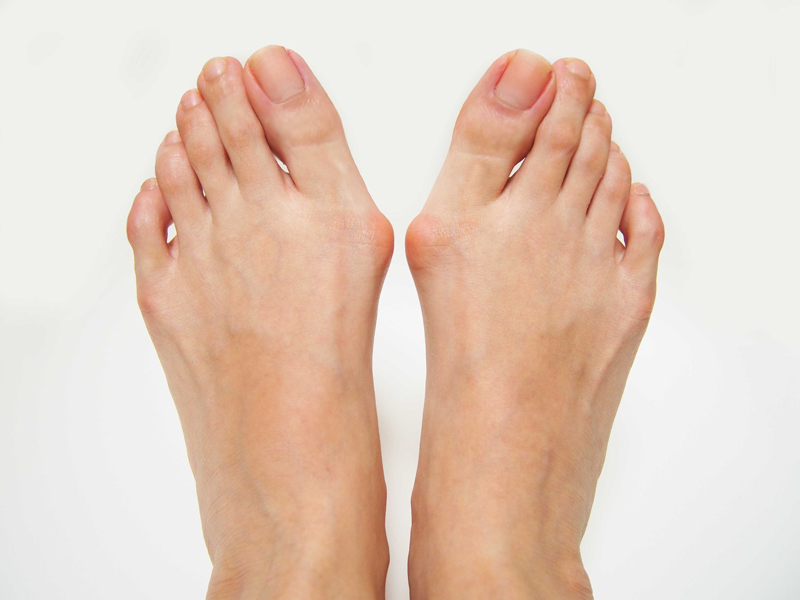
Bunion surgeries usually prove to be very effective; however, there are times when patients will still experience pain after a certain period of time or see the return of the same problem. In such instances, the need for revisional bunion surgery becomes apparent.

At Vale Foot and Ankle, we conduct a careful analysis of each case in which a previous bunion surgery failed to achieve the desired results. The objective is not only to address the bunion but also to determine what went wrong initially.

What Is Revisional Bunion Surgery?

Revisional bunion surgery refers to a second procedure conducted after the first bunion surgery. It may be needed when the first surgery did not fully correct the problem or when complications develop. 

Revisions are often more complicated than the first surgical operation because of the previous changes to the bone, joint, and soft tissue.

Why Bunion Surgery Sometimes Needs Revision

There are several reasons why a bunion may come back or continue causing problems after surgery.

Common causes include:

  • Failure to correct the abnormality
  • Reappearance of the bunion in due course
  • Poor bone healing or shifting after surgery 
  • Joint instability or misalignment
  • Complications from hardware
  • Ongoing pain despite proper bone healing 

In some instances, it is not simply a matter of the bunion reappearing; there may be another underlying problem that was not originally identified.

Indications for Possible Bunion Revision Surgery

Not all cases of patients suffering from postoperative problems require revision surgery. But certain warning signs point to a need for further assessment.

The following may be considered indicators of possible need for revision surgery:

  • Bunion recurs or progresses
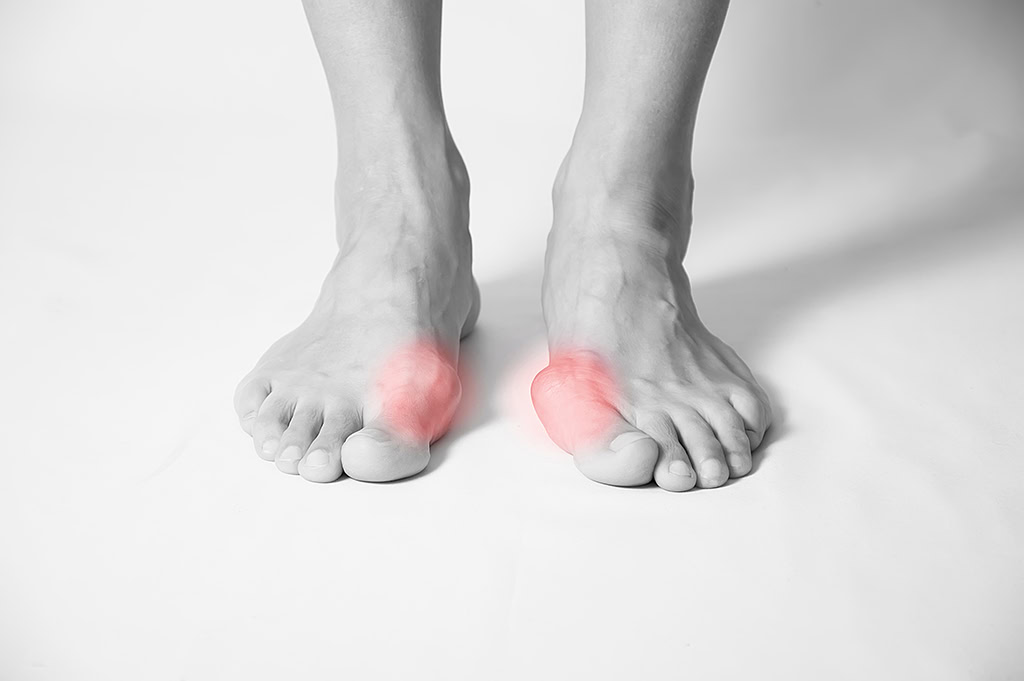
  • Pain that persists despite the wound healing
  • Discomfort in fitting into shoes
  • Feeling unstable when ambulating
  • Painful sensation near the surgical implants


If these symptoms continue several months after surgery, they should be evaluated.

Our Approach to Evaluating Failed and Recurrent Bunion Surgery

Revision cases require a more thorough evaluation than routine bunion correction procedures.

Here at Vale Foot & Ankle, we spend the extra time needed to determine what went wrong during your initial procedure and what has occurred since then.

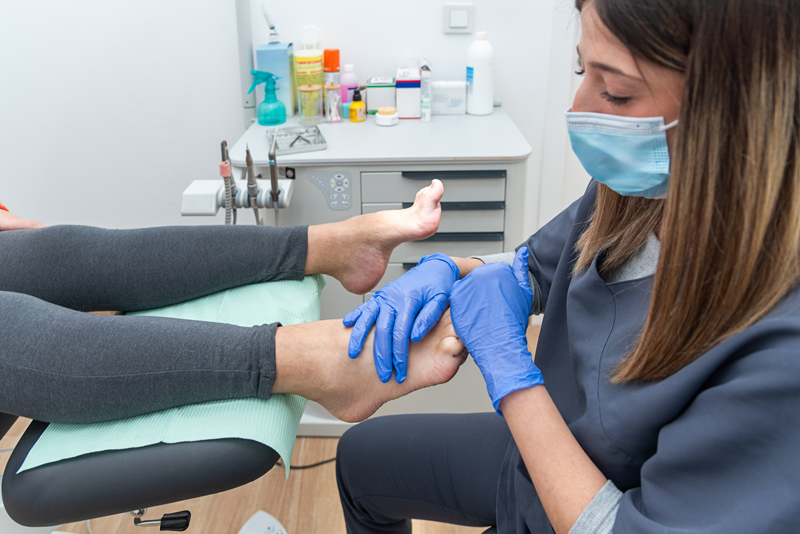
Your evaluation may involve:

  • Complete physical examination
  • Prior surgical history review
  • X-ray imaging for alignment and bone healing
  • Joint condition and internal fixation hardware imaging
  • Gait and biomechanics evaluation


This allows us to pinpoint the source of your issue, beyond just the surface deformity.

Schedule Your Consultation

Don’t let the unsatisfactory outcome from your past bunion surgery continue to affect your life.

Treatment Options for Revisional Bunion Cases

Not all patients will need surgical intervention. Conservative management is often the first step when applicable, aimed at alleviating symptoms and optimizing function.

Non-Surgical Options

  • Footwear modification and support
  • Customized orthotic devices
  • Padding or unloading
  • Anti-inflammatory therapy

Surgical Options (When Needed)

When surgery is necessary, the approach depends on the specific issue.

This may include:

  • Bone realignment (osteotomy)
  • Joint stabilization/fusion
  • Tissue balance correction
  • Hardware revision
  • Repairing arthritic/joint problems

Revision surgeries are always very personalized, and one patient’s experience does not match another’s exactly.

Why Is Revisional Surgery Unique?

There are unique considerations for revisional bunion surgery compared to the initial procedure.

Since the foot has had previous surgery, it can have:

  • Presence of scar tissue that limits movement
  • Changes in the structure of bones
  • Hardware left inside
  • Mechanical changes in joints


This is precisely why it is important to diagnose and plan carefully before proceeding.

What to Expect from Recovery

Recovery after revisional bunion surgery can vary depending on the complexity of the procedure. In many cases, it may take longer than the initial bunion surgery recovery timeline because the correction is more involved.

Patients can expect:

  • A period of limited weight-bearing
  • Gradual return to walking
  • Swelling that may last several months
  • Ongoing improvement in comfort and function over time

It’s common to wonder if bunion surgery is painful. While there is some discomfort after surgery, most patients find it manageable and notice steady improvement over time. As with any foot surgery, following post-operative instructions closely plays a major role in the outcome.

Preventing Bunion Recurrence After Surgery

While not all recurrence can be prevented, certain steps can help reduce the risk after both initial and revisional procedures.

These include:

  • Wearing supportive, properly fitting shoes
  • Using orthotics if recommended
  • Avoiding excessive pressure on the forefoot
  • Following post-op guidelines carefully
  • Addressing underlying biomechanical issues


Long-term success depends on both the surgery and how the foot is supported afterward.

Request an Appointment For Revisional Bunion Surgery

Revisional bunion surgery is not just about repeating a procedure. It’s about understanding what went wrong and correcting it in a way that supports long-term comfort and stability.

If you’re dealing with ongoing pain, a returning bunion, or concerns after a previous surgery, our team can help you sort through your options.

Schedule an appointment today to get a clear evaluation and a plan that’s built around your specific situation.

Latest Posts