Foot Wound Care

Foot Wound Care

Foot wounds, especially in people with diabetes, neuropathy, or poor circulation, can get out of control if not managed properly. At Vale Foot and Ankle, we provide thorough diagnosis, advanced wound treatment, and proactive prevention strategies to keep you mobile and avoid serious complications.

Why Foot Wound Care Is Important

Foot wounds are prone to complications from pressure, friction, and infection. Chronic conditions like diabetes, peripheral neuropathy, and vascular disease can slow healing and increase the risk of infection or even amputation. The right care early on, like cleaning the wound, relieving pressure, treating infection, and supporting circulation, can help prevent serious problems, including amputation. Did you know that 15-34% of people with diabetes will develop a foot ulcer in their lifetime? A large percentage requires hospital treatment or amputation.

Types of Foot Wounds We Treat

We evaluate and manage a range of wounds, including:

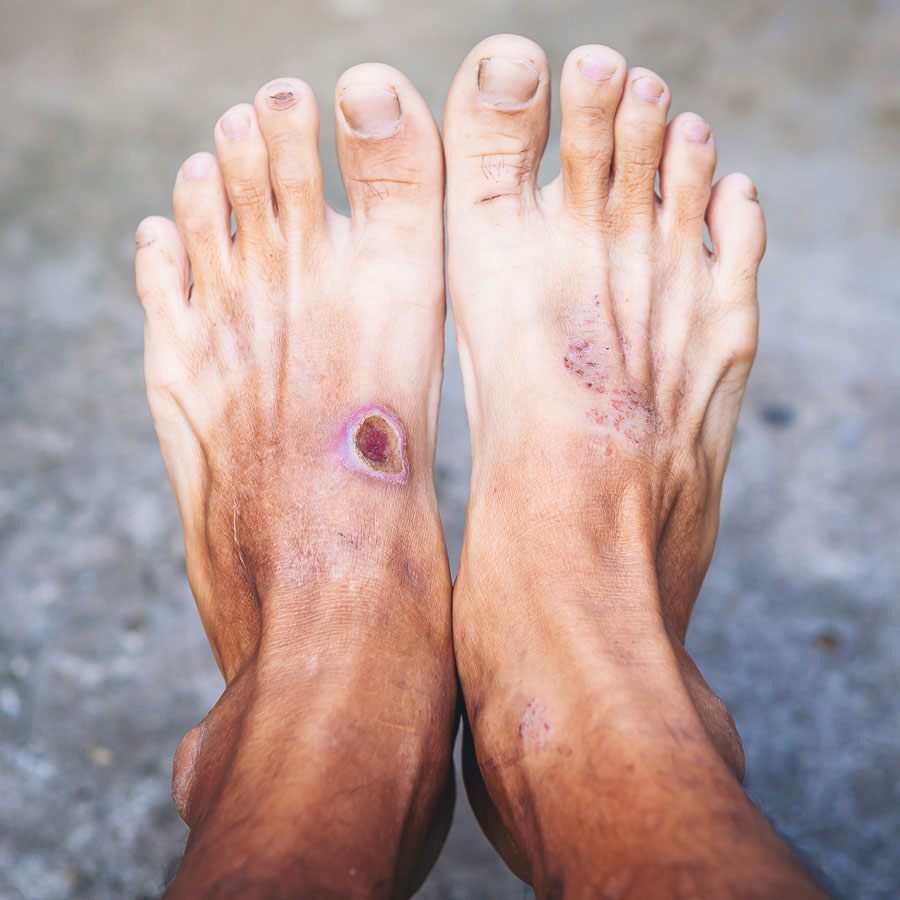
  • Diabetic foot ulcers, including neuropathic, ischemic, or neuroischemic types
  • Pressure ulcers from prolonged pressure or friction
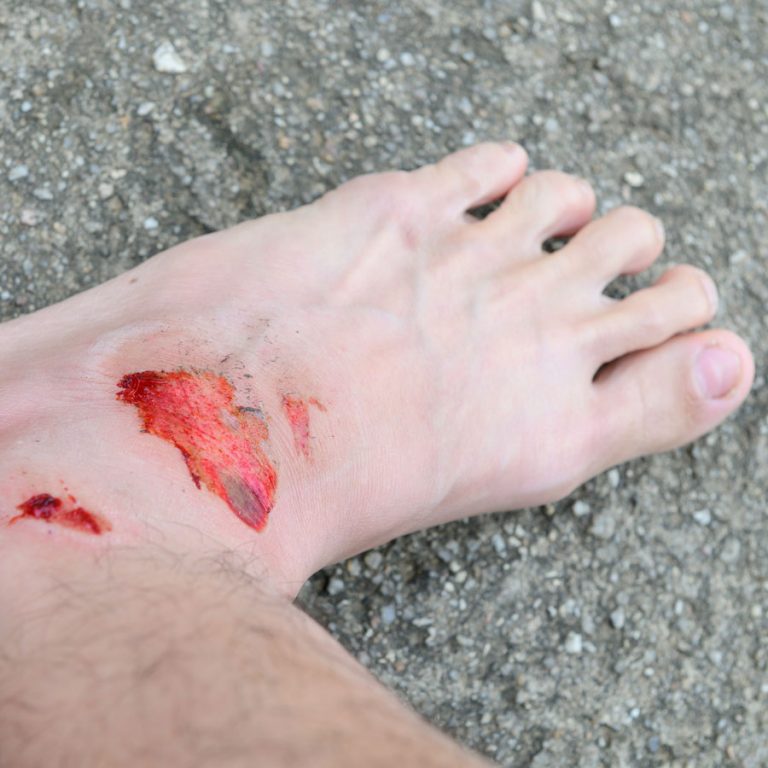
  • Traumatic wounds such as cuts, lacerations, or punctures
  • Surgical site wounds that require post op monitoring
  • Ischemic or venous ulcers, including arterial ulcers, as part of peripheral vascular disease
  • Infected skin lesions, including ingrown toenails or deeper infections

Signs You Need Professional Foot Wound Treatment

Look for:

  • A wound that doesn’t get better in a few days
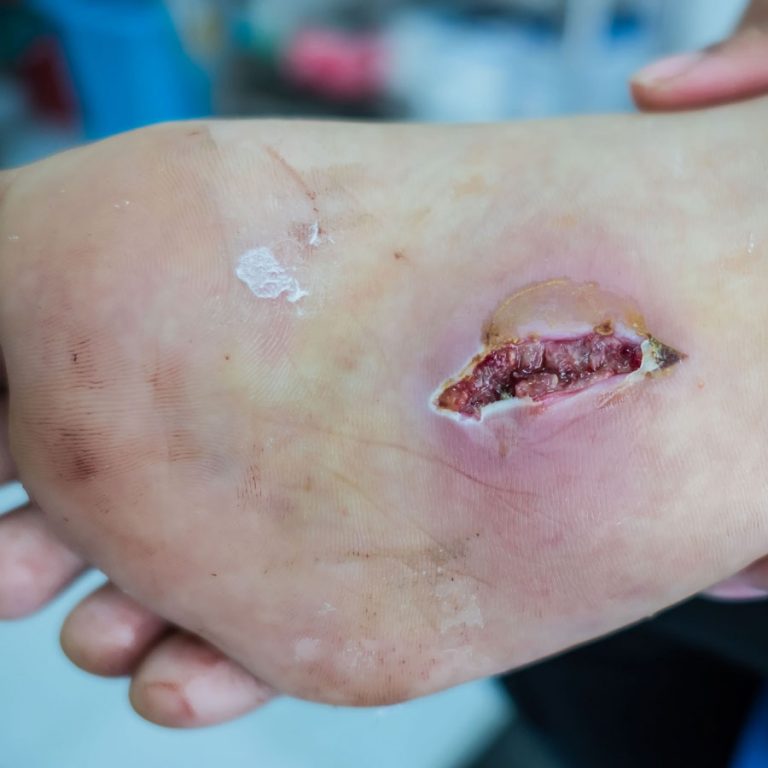
  • Redness, warmth, swelling, drainage or foul odor
  • Blackened tissue (necrosis) or gangrene
  • Any signs of systemic infection (e.g. fever or spreading redness)

Even without pain, which is common in neuropathy, visual changes need to be evaluated.

Get Expert Foot Wound Care in Connecticut

Foot wounds can get out of hand quickly, but early expert care can prevent complications. If you have a stubborn wound, worsening ulcer, or just need a preventive evaluation, contact us at Vale Foot and Ankle today. We’ll get you healed and mobile.

How We Approach Foot Wound Care

Diagnosis

We assess wound depth, tissue condition, infection, blood flow and nerve function. Sometimes imaging or lab tests help us identify deeper infections or vascular issues.

Customized Treatment

Treatment may include:

  • Debridement to remove dead or infected tissue, necessary for healing
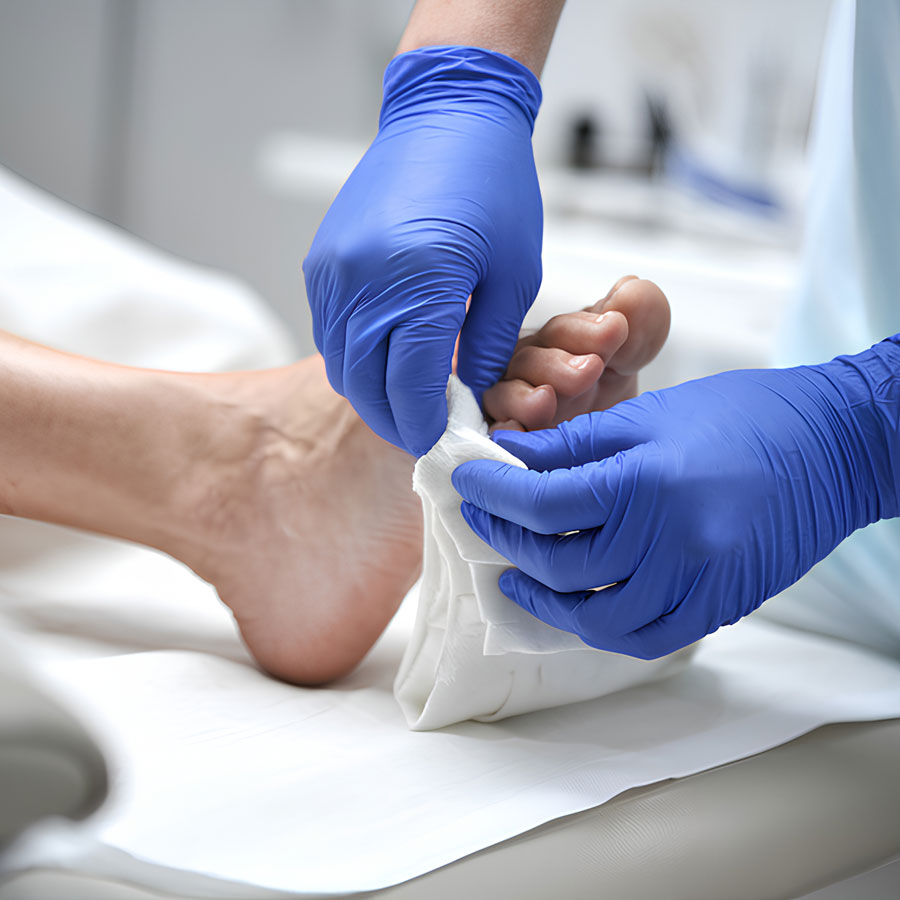
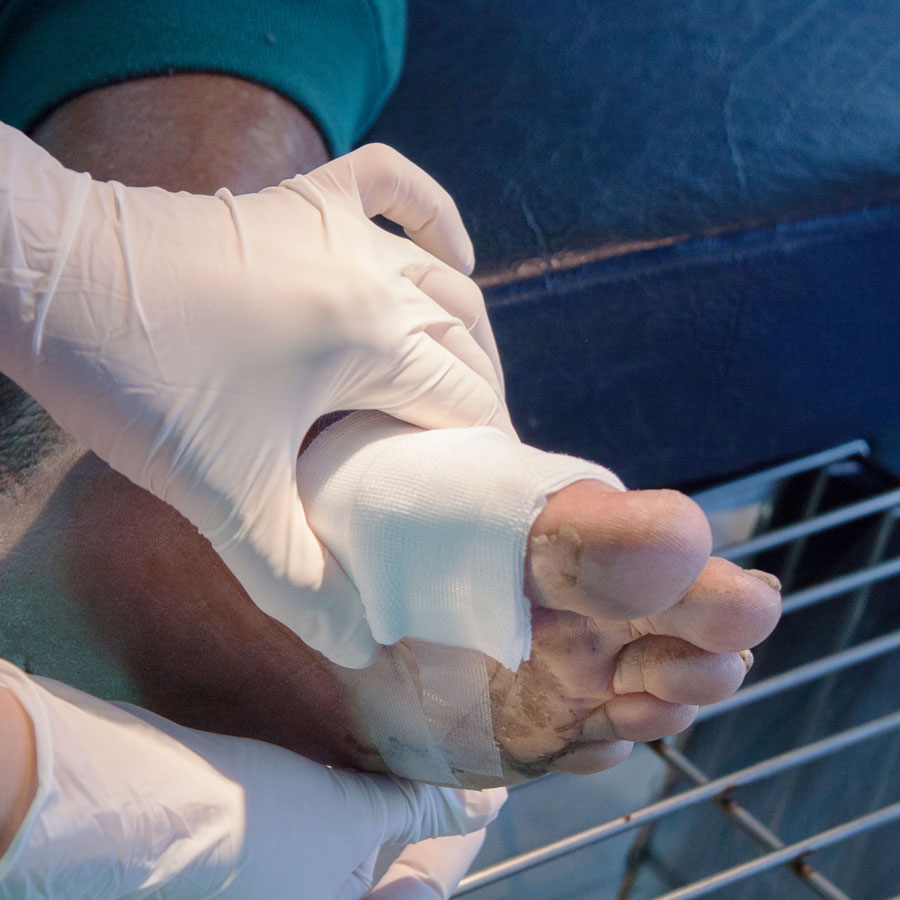
  • Moist wound dressings to create a healing environment
  • Offloading with casts, braces, or special shoes to reduce pressure, especially for plantar ulcers
  • Antibiotics guided by wound cultures and infection severity
  • Surgery, debridement, or reconstruction when deeper tissue (like bone) is involved
  • Blood flow management to assess for vascular insufficiency or need for revascularization

Preventing Future Foot Wounds

Preventive care is key, especially for high-risk patients:

  • Daily foot inspection and early detection of minor issues
  • Regular nail care and callus management
  • Properly fitted, protective footwear
  • Custom orthotics to reduce pressure on vulnerable areas
  • Good blood sugar control, nutrition, and circulation health

Why Vale Foot and Ankle?

As a specialized surgical practice we offer comprehensive wound care under one roof. From debridement and offloading to targeted surgery and long term prevention strategies, our team works with your other healthcare providers for integrated expert level care.

Latest Posts